The sacred month of Dhul Qi’dah is due and we would like to remind ourselves about the importance of the four sacred months in Islam. Dhul Qi’dah is the 11th month of the Islamic calendar. The sacred months are Rajab, Dhul Qid’ah, Dhul Hijjah and Muharram, the 7th, 11th, 12th and 1st month of the Islamic Hijri calander respectively. (see Surah Tawbah, Qur’an chapter 9 verse 36). We should also prepare for the Hajj season, and endeavour to perform our obligatory Hajj for the sake of Allah, as soon as we have the means/ability.
(We should be extra careful not to sin, all the time, but particularly in the sacred months, and avoid aggression)
May Allah forgive us, be merciful to us and guide us, for He is the Most Gracious the Most Merciful, The Ever-Relenting. May Allah guide and forgive us and enable us to witness and observe many Hajj and Umrah in His obedience, with sincerity and strength and excellence. May Allah unite us in jannat al firdaus. Allah bless His final messenger Muhammad ibn Abdillah in abundance. Amin
Let’s fulfil the 3rd pillar of Islam: ZAKAT, obligatory charity tax.
Zakat or Zakaah/Zakah, means purification or growth.
In Islam, it is paying 2.5% of all your wealth (if it reaches the nisaab/thresholdat which you become eligible to pay Zakat) to those who are entitled to receive Zakat, including the poor and needy, in obedience to Allah. Charity is an integral teaching in our faith.
DID YOU KNOW? Zakat is such an important pillar in our religion, Allah has mentioned it in the Qur’an multiple times, and the prophet Muhammad peace be upon him taught us about it.
There are multiple References in The Qur’an and in Sahih Hadith.
‘Zakah expenditures are only for the poor and for the needy and for those employed to collect [zakah] and for bringing hearts together [for Islam] and for freeing captives [or slaves] and for those in debt and for the cause of Allah and for the [stranded] traveler – an obligation [imposed] by Allah . And Allah is Knowing and Wise.‘
Narrated Ibn `Abbas: The Prophet (ﷺ) sent Mu`adh to Yemen and said, “Invite the people to testify that none has the right to be worshipped but Allah and I am Allah’s Messenger (ﷺ), and if they obey you to do so, then teach them that Allah has enjoined on them five prayers in every day and night (in twenty-four hours), and if they obey you to do so, then teach them that Allah has made it obligatory for them to pay the Zakat from their property and it is to be taken from the wealthy among them and given to the poor.” Sahih al Bukhari
How to tell if you owe Zakat? Keep a regular check of your assets, then the moment your wealth reaches the Nisab level (minimum threshold at which you have to start paying Zakat), then you calculate your Zakat each year accordingly.
Example: On 21st Ramadan 1440 (May 2019), you acquired £500 through the full lunar year (Islamic Hijir calendar). The nisab level was approximately worth £250 (based on silver weight prices). Therefore, you must pay 2.5% of £500 in charity as Zakat to fulfil your obligation to Allah. So £500×0.025= £12.50 as Zakat
So in 21st Ramadan 1445, (year 2024) 1 year on, and you have £700. The nisab value is around £350, you own that and more. So you will pay Zakat on this day at 2.5% of £700. so £700x 0.025= £17.50 as Zakat
And you note in your calendar next year on the 21st Ramadan 1446ah (in year 2025) you will schedule calculation and payment of Zakat again. In sha Allah
Therefore, your annual Zakat date, or Zakat anniversary is 21ST RAMADAN each year, and it’s your personal deadline by which you must calculate and pay Zakat.
If you need help calculating, lots of Muslim charity organisations can help you out, lots of charities have Zakat calculators, Islamic relief calculator, or you can try National Zakat Foundation’s (NZF) calculator, it’s UK-based and they’ve set up an organised step-by-step calculation system on their website, have a look here: NZF Zakat calculator
Assets are not limited to money, it includes gold, silver and more if you have businesses/shares, rental income/ property and what such. You also factor in your deductible assets, consider debts and bills (check the NZF calculator link above).
If you have gold or silver jewellery, you need to weigh it and calculate the price on the current market value of gold or silver on the day.
So if you have 50g of 24carat gold, the market value today right now is £45.61 per gram. Thats 45.61GBP x 50grams = £2280.50
You pay zakat on 2.5% of £2280.50, or simply 2280.50 x 0.025= £57.03 Zakat (rounded up).
Also, it doesn’t have to be Ramadan when you’re Zakat is due, you may be paying it in another month, depending on when your wealth reached the Nisab value. To read more about Zakat, check out the links at the end of this post. **
Keep it organised in sha Allah and you can fulfil your obligation to Allah, have blessings in your wealth, be stress free and aware of your assets. By the way, everything ultimately belongs to Allah, we are just being tested with what we’ve been entrusted with!
Purify what Allah gave us and spend in His path, in sha Allah , Allah will increase us in good.
Many times we may have been falling short, so be sure to do your best to make up for any short fall as soon as possible. And if you are tested with a shortage in wealth, you only have to pay less Zakat , and by trusting Allah, making tawbah, in sha Allah we will see better days again.
Never think zakat will decrease your wealth, believe Allah will purify it and increase it.
Of us are those with poor and needy relatives, let’s not forget them in sha Allah when paying Zakat and Sadaqah.
Give and Allah will increase you. Let’s take this opportunity to give Sadaqah too, we only have a few days left of this blessed month.
Dua- Remember to say Ameen to our supplication! Alhamdulillah for everything.
May Allah, The Ever-Living, The One True God, The Rich, The Merciful, The Most Powerful, forgive all our errors and guide us to the straight path. May Allah grant us the sincerity and ability to obey Him and fulfil His commands and may He enable us to follow the perfect example of His final Messenger and Prophet Muhammad sallallahu alayhi wasallam. Allah protect us from all evil and grant us all good and may Allah help us to remember Him always. May Allah not make Ramadan leave us, except that we are forgiven and guided and may Allah bless and increase us in good, Allah preserve our religion, our worldly life, our hereafter, our health, our family, our wealth, youth, ability, time, our safety, our ummah, our community, our neighbours our nation, our countries our world. Allah guide all of us to His love and mercy. May Allah unite us with the prophets peace be upon them, Allah make us pious and the inheritors of jannat al firdaus, paradise. Allah forgive us and our parents, our grandparents, our predecessors, our families , future generations our successors and all of us. Allah help us to worship Him alone, with perfect understanding of His Oneness, Tawhid, and Allah protect us from major and minor sins. Allah make us true followers of the sunnah of prophet Muhammad peace be upon him, like the companions of the prophet, may Allah be pleased with them. May Allah, The One without partners, forgive us and grant us cures and mercy and lift the calamities and bring peace to all of us. Wasallallahu alaa nabiyina Muhammad. Oh Allah accept, Amin.
Please keep us in your generous duas, today, tonight, during laylatul Qadr, on Friday, all the special times. wa jazakumullahu khairan
Join our community and be part of the ongoing mission to serve Allah alone. Just enter your email address!
Please contact us, give us feedback, or join us and support our efforts here: contact
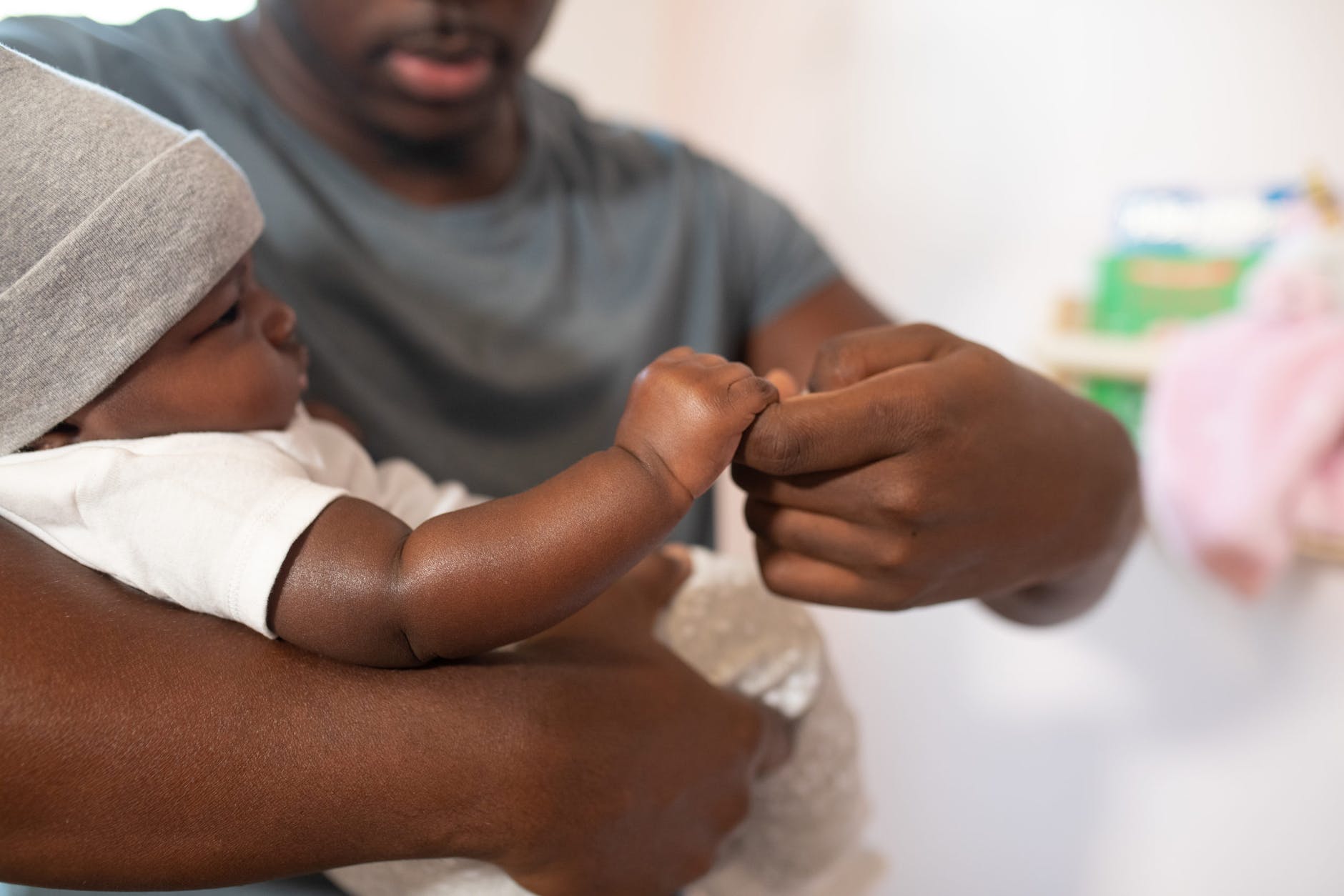
Caring for a child with special needs brings its own set of unique challenges and joys. It’s a demanding role that requires endless dedication and love. But while focusing on the needs of the child, it’s crucial not to neglect oneself. In the spirit of sustaining one’s emotional, mental, and physical well-being, this guide by Amanda Henderson (Safe Children) aims to provide actionable steps to help parents establish a self-care plan that can serve them well in the long run.
Identify the Root of Fatigue
The weariness that comes with caregiving often has several contributors, from sleep deprivation to emotional stress. Identifying these triggers is the first crucial step in tackling fatigue. Healthline points out that understanding the root cause of exhaustion can provide an avenue for seeking specific remedies or adjustments to your routine.
Tune Into Your Body
Before exhaustion leads to burnout, it’s essential to listen to your body. BetterUp notes that developing mindfulness techniques, such as deep breathing exercises, can help in becoming aware of fatigue levels throughout the day. These practices provide an opportunity for checking in with oneself, thus helping to prevent physical and emotional exhaustion from setting in.
A clutter-free environment often equates to a stress-free mind. Focus on keeping your living spaces, especially children’s bedrooms and playrooms, organized and clean. Simplifying cleaning routines or using easily manageable storage solutions can make this task less daunting. A clean home can work wonders in lowering stress levels, contributing to a healthier emotional state.
Rekindle Professional Aspirations
Investing time in professional endeavours, like launching a small business, can act as a positive counterbalance to the emotional toll of caregiving. Research various business formation services thoroughly before diving in — plus, create a robust business plan and understand the rudiments of marketing. Learn the basics of setting up a company structure. A constructive diversion like this can rejuvenate your spirit and provide a sense of accomplishment.
Goal-setting can serve as a motivational tool, giving parents a measurable way to track their progress and celebrate achievements. Goals don’t have to be monumental; they can be simple targets like taking a walk three times a week or reading a book every month. Setting realistic and achievable milestones contributes to improving your quality of life.
Practice Self-Care
Amid the demands of caregiving, carving out “me time” is imperative. Whether it’s a simple bubble bath, a brief morning jog, or even a hobby you love, find what brings you peace and make time for it. Different self-care strategies appeal to different people; the key is to find what rejuvenates you and make it a part of your routine.
Take a Walk
Taking a walk in an area with a high Walk Score can offer numerous benefits for individuals and communities alike. It promotes physical health by encouraging regular exercise and reducing the reliance on cars, leading to improved cardiovascular health and weight management. Additionally, it enhances mental well-being by providing opportunities for relaxation, stress reduction, and social interaction with neighbours, thereby fostering a sense of belonging and community cohesion.
A high Walk Score area often signifies easy access to essential services, businesses, and public transportation, reducing commuting time and expenses, as well as decreasing traffic congestion and air pollution. Furthermore, it supports local economies by boosting foot traffic for businesses and contributing to a vibrant urban environment.
Look for More Flexible Work
The nature of your job can profoundly affect your caregiving experience. If possible, consider jobs that offer more flexible hours or work-from-home options. It’s a significant change that comes with its own set of advantages and disadvantages, but for many, the pros outweigh the cons, especially when it helps balance the challenges of caregiving and self-care.
Seek Professional Help if Necessary
At times, despite best efforts, external intervention becomes necessary. Be vigilant about recognizing signs of emotional exhaustion or severe stress, as they may indicate the need for professional assistance. Whether it’s a counselor or a medical specialist, knowing when and how to seek help can make a meaningful difference.
Taking care of oneself is not a luxury but a necessity, particularly when you are responsible for a child with special needs. The actionable steps outlined in this guide aim to help parents create a self-care plan that is sustainable and well-suited to their unique challenges. After all, a happier, healthier you will undoubtedly result in a more enriching caregiving experience for your child.
Written by Amanda Henderson, Safe Children USA
Thurrock Muslim Community connects, supports, inspires, educates and unites the Muslims in Thurrock and beyond. Contact us today to learn more!
Thank you to our guest poster, readers, writers, editors, contributors and supporters.
Please note, views are authors own except that which aligns with ThurrockMuslims.com ethos. We are not responsible for any external content or any consequence of following such advices.
What is meant by udhiyah (sacrifice)? Is it obligatory or Sunnah?.
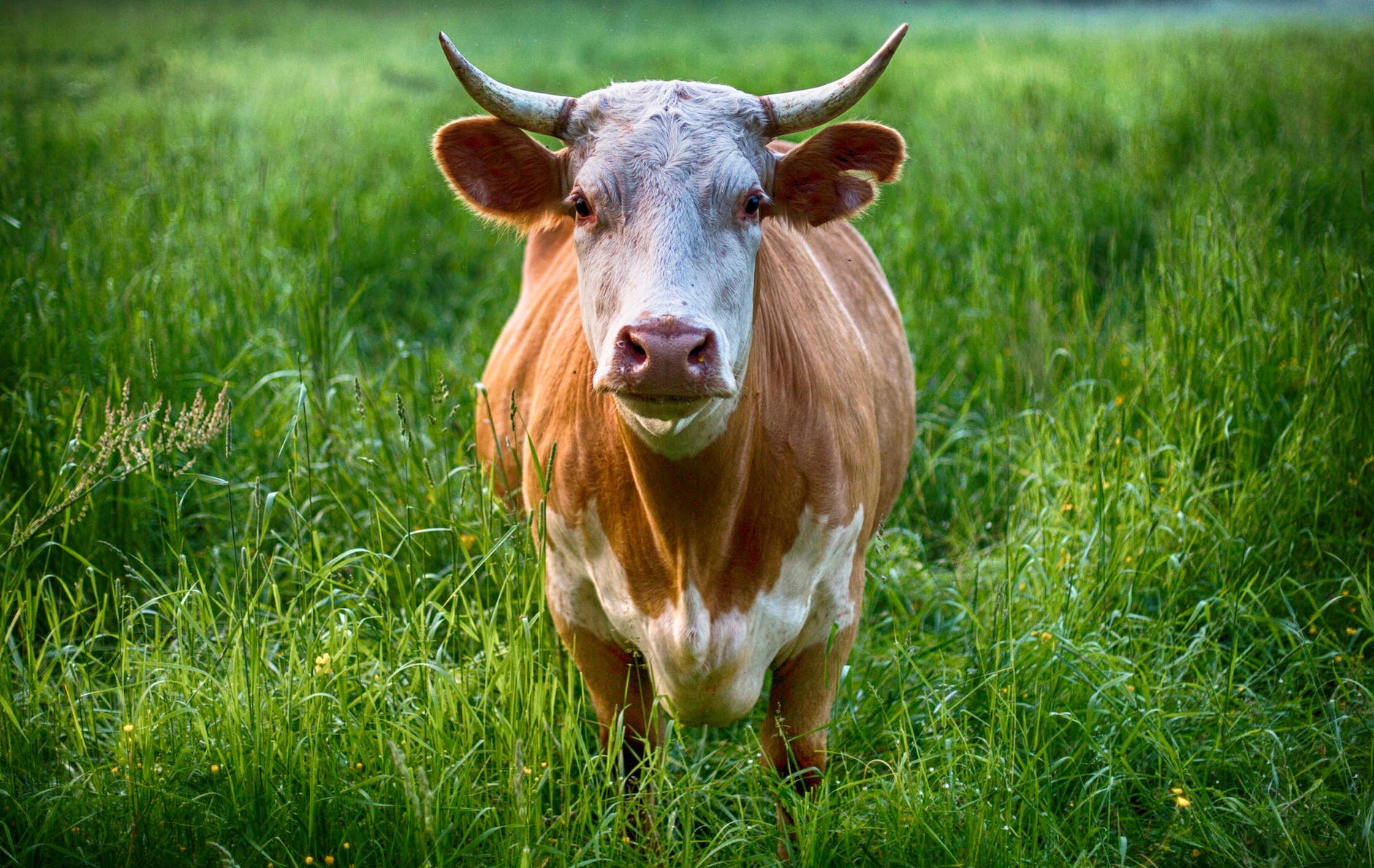
Praise be to Allaah. The word udhiyah means an animal of the ‘an’aam class (i.e., camel, cow, sheep or goat) that is slaughtered during the days of Eid al-Adha because of the Eid and as an act of worship, intending to draw closer to Allaah thereby.
This is one of the rituals of Islam prescribed in the Book of Allaah and the Sunnah of His Messenger (peace and blessings of Allaah be upon him), and according to the consensus of the Muslims.
In the Qur’aan:
1 – Allaah says (interpretation of the meaning):
“Therefore turn in prayer to your Lord and sacrifice (to Him only)”
[al-Kawthar 108:2]
2 – Allaah says (interpretation of the meaning):
“Say (O Muhammad): Verily, my Salaah (prayer), my sacrifice, my living, and my dying are for Allaah, the Lord of the ‘Aalameen (mankind, jinn and all that exists).
He has no partner. And of this I have been commanded, and I am the first of the Muslims”
[al-An’aam 6:162]
The word nusuk (translated here as sacrifice) means sacrifice; this is the view of Sa’eed ibn Jubayr. And it was said that it means all acts of worship, including sacrifice, which is more comprehensive.
3 – Allaah says (interpretation of the meaning):
“And for every nation We have appointed religious ceremonies, that they may mention the Name of Allaah over the beast of cattle that He has given them for food. And your Ilaah (God) is One Ilaah (God Allaah), so you must submit to Him Alone (in Islam). And (O Muhammad) give glad tidings to the Mukhbitoon [those who obey Allaah with humility and are humble from among the true believers of Islamic Monotheism]”
[al-Hajj 22:34]
In the Sunnah:
1 – It was narrated in Saheeh al-Bukhaari (5558) and Saheeh Muslim (1966) that Anas ibn Maalik (may Allaah be pleased with him) said: “The Prophet (peace and blessings of Allaah be upon him) sacrificed two white rams speckled with black. He slaughtered them with his own hand, said ‘Allaahu akbar’ and put his foot on their necks.”
2 – It was narrated that ‘Abd-Allaah ibn ‘Umar (may Allaah be pleased with him) said: “The Prophet (peace and blessings of Allaah be upon him) stayed in Madeenah for ten years, offering sacrifice (every year on Eid).” Narrated by Ahmad, 4935; al-Tirmidhi, 1507; classed as hasan by al-Albaani in Mishkaat al-Masaabeeh, 1475.
3 – It was narrated from ‘Uqbah ibn ‘Aamir (may Allaah be pleased with him) that the Prophet (peace and blessings of Allaah be upon him) shared out sacrificial animals amongst his companions, and ‘Uqbah got a sheep that was six months old. He said, “O Messenger of Allaah, I got a sheep that is six months old.” He said, “Offer it as a sacrifice.” Narrated by al-Bukhaari, 5547.
4 – It was narrated from al-Baraa’ ibn ‘Aazib (may Allaah be pleased with him) that the Prophet (peace and blessings of Allaah be upon him) said: “Whoever offers a sacrifice after the prayer has completed his rituals (of Eid) and has followed the way of the Muslims.” Narrated by al-Bukhaari, 5545.
The Prophet (peace and blessings of Allaah be upon him) offered sacrifices, as did his companions (may Allaah be pleased with them). And he said that sacrifice is the way of the Muslims.
Hence the Muslims are unanimously agreed that it is prescribed in Islam, as was narrated by more than one of the scholars.
But they differed as to whether it is Sunnah mu’akkadah (a confirmed Sunnah) or it is obligatory and it is not permissible to omit it.
The majority of scholars are of the view that it is Sunnah mu’akkadah. This is the view of al-Shaafa’i, Maalik and Ahmad according to his most well-known view.
Others were of the view that it is obligatory. This is the view of Abu Haneefah and one of the views narrated from Ahmad. This was also the view favoured by Ibn Taymiyah who said: “This is one of the views narrated in the madhhab of Maalik, or it appears to be the view of Maalik.”
From Risaalat Ahkaam al-Udhiyah wa’l-Dhakaah by Ibn ‘Uthaymeen (may Allaah have mercy on him).
Shaykh Muhammad ibn ‘Uthaymeen (may Allaah have mercy on him) said: “Udhiyah is Sunnah mu’akkadah for the one who is able to do it, so a person should offer the sacrifice on behalf of himself and the members of his household.”
Fataawa Ibn ‘Uthaymeen, 2/661.
REMINDER:
If a person wants to offer an udhiyah, then it is haraam – according to the more correct view – for him to remove anything from his hair or nails until he offers his sacrifice, regardless of whether he offers his sacrifice at the beginning of the time for it, immediately after the Eid prayer, or at the end of the time, i.e., before sunset on the thirteenth of Dhu’l-Hijjah.
That is because of the report narrated by Muslim in his Saheeh (1977) from Umm Salamah (may Allah be pleased with her), who said: The Messenger of Allah (blessings and peace of Allah be upon him) said: “Whoever has an animal to sacrifice, when the new moon of Dhu’l-Hijjah appears, let him not remove anything from his hair or nails, until he has offered his sacrifice.”
The sacred month of Dhul Qi’dah is due and we would like to remind ourselves about the importance of the four sacred months in Islam. Dhul Qi’dah is the 11th month of the Islamic calendar. The sacred months are Rajab, Dhul Qid’ah, Dhul Hijjah and Muharram, the 7th, 11th, 12th and 1st month of the Islamic Hijri calander respectively. (see Surah Tawbah, Qur’an chapter 9 verse 36). We should also prepare for the Hajj season, and endeavour to perform our obligatory Hajj for the sake of Allah, as soon as we have the means/ability.
(We should be extra careful not to sin, all the time, but particularly in the sacred months, and avoid aggression)
May Allah forgive us, be merciful to us and guide us, for He is the Most Gracious the Most Merciful, The Ever-Relenting. May Allah guide and forgive us and enable us to witness and observe many Hajj and Umrah in His obedience, with sincerity and strength and excellence. May Allah unite us in jannat al firdaus. Allah bless His final messenger Muhammad ibn Abdillah in abundance. Amin
Let’s fulfil the 3rd pillar of Islam: ZAKAT, obligatory charity tax.
Zakat or Zakaah/Zakah, means purification or growth.
In Islam, it is paying 2.5% of all your wealth (if it reaches the nisaab/thresholdat which you become eligible to pay Zakat) to those who are entitled to receive Zakat, including the poor and needy, in obedience to Allah. Charity is an integral teaching in our faith.
DID YOU KNOW? Zakat is such an important pillar in our religion, Allah has mentioned it in the Qur’an multiple times, and the prophet Muhammad peace be upon him taught us about it.
There are multiple References in The Qur’an and in Sahih Hadith.
‘Zakah expenditures are only for the poor and for the needy and for those employed to collect [zakah] and for bringing hearts together [for Islam] and for freeing captives [or slaves] and for those in debt and for the cause of Allah and for the [stranded] traveler – an obligation [imposed] by Allah . And Allah is Knowing and Wise.‘
Narrated Ibn `Abbas: The Prophet (ﷺ) sent Mu`adh to Yemen and said, “Invite the people to testify that none has the right to be worshipped but Allah and I am Allah’s Messenger (ﷺ), and if they obey you to do so, then teach them that Allah has enjoined on them five prayers in every day and night (in twenty-four hours), and if they obey you to do so, then teach them that Allah has made it obligatory for them to pay the Zakat from their property and it is to be taken from the wealthy among them and given to the poor.” Sahih al Bukhari
How to tell if you owe Zakat? Keep a regular check of your assets, then the moment your wealth reaches the Nisab level (minimum threshold at which you have to start paying Zakat), then you calculate your Zakat each year accordingly.
Example: On 21st Ramadan 1440 (May 2019), you acquired £500 through the full lunar year (Islamic Hijir calendar). The nisab level was approximately worth £250 (based on silver weight prices). Therefore, you must pay 2.5% of £500 in charity as Zakat to fulfil your obligation to Allah. So £500×0.025= £12.50 as Zakat
Now it is 21st Ramadan 1441, (year 2020) 1 year on, and you have £700. The nisab value is around £240, you own that and more. So you will pay Zakat on this day at 2.5% of £700. so £700x 0.025= £17.50 as Zakat
And you note in your calendar next year on the 21st Ramadan 1442ah (in year 2021) you will schedule calculation and payment of Zakat again. In sha Allah
Therefore, your annual Zakat date, or Zakat anniversary is 21ST RAMADAN each year, and it’s your personal deadline by which you must calculate and pay Zakat.
If you need help calculating, lots of Muslim charity organisations can help you out, lots of charities have Zakat calculators, Islamic relief calculator, or you can try National Zakat Foundation’s (NZF) calculator, it’s UK-based and they’ve set up an organised step-by-step calculation system on their website, have a look here: NZF Zakat calculator
Assets are not limited to money, it includes gold, silver and more if you have businesses/shares, rental income/ property and what such. You also factor in your deductible assets, consider debts and bills (check the NZF calculator link above).
If you have gold or silver jewellery, you need to weigh it and calculate the price on the current market value of gold or silver on the day.
So if you have 50g of 24carat gold, the market value today right now is £45.61 per gram. Thats 45.61GBP x 50grams = £2280.50
You pay zakat on 2.5% of £2280.50, or simply 2280.50 x 0.025= £57.03 Zakat (rounded up).
Also, it doesn’t have to be Ramadan when you’re Zakat is due, you may be paying it in another month, depending on when your wealth reached the Nisab value. To read more about Zakat, check out the links at the end of this post. **
Keep it organised in sha Allah and you can fulfil your obligation to Allah, have blessings in your wealth, be stress free and aware of your assets. By the way, everything ultimately belongs to Allah, we are just being tested with what we’ve been entrusted with!
Purify what Allah gave us and spend in His path, in sha Allah , Allah will increase us in good.
Many times we may have been falling short, so be sure to do your best to make up for any short fall as soon as possible. And if you are tested with a shortage in wealth, you only have to pay less Zakat , and by trusting Allah, making tawbah, in sha Allah we will see better days again.
Never think zakat will decrease your wealth, believe Allah will purify it and increase it.
Of us are those with poor and needy relatives, let’s not forget them in sha Allah when paying Zakat and Sadaqah.
Give and Allah will increase you. Let’s take this opportunity to give Sadaqah too, we only have a few days left of this blessed month.
Dua- Remember to say Ameen to our supplication! Alhamdulillah for everything.
May Allah, The Ever-Living, The One True God, The Rich, The Merciful, The Most Powerful, forgive all our errors and guide us to the straight path. May Allah grant us the sincerity and ability to obey Him and fulfil His commands and may He enable us to follow the perfect example of His final Messenger and Prophet Muhammad sallallahu alayhi wasallam. Allah protect us from all evil and grant us all good and may Allah help us to remember Him always. May Allah not make Ramadan leave us, except that we are forgiven and guided and may Allah bless and increase us in good, Allah preserve our religion, our worldly life, our hereafter, our health, our family, our wealth, youth, ability, time, our safety, our ummah, our community, our neighbours our nation, our countries our world. Allah guide all of us to His love and mercy. May Allah unite us with the prophets peace be upon them, Allah make us pious and the inheritors of jannat al firdaus, paradise. Allah forgive us and our parents, our grandparents, our predecessors, our families , future generations our successors and all of us. Allah help us to worship Him alone, with perfect understanding of His Oneness, Tawhid, and Allah protect us from major and minor sins. Allah make us true followers of the sunnah of prophet Muhammad peace be upon him, like the companions of the prophet, may Allah be pleased with them. May Allah, The One without partners, forgive us and grant us cures and mercy and lift the calamities and bring peace to all of us. Wasallallahu alaa nabiyina Muhammad. Oh Allah accept, Amin.
Please keep us in your generous duas, today, tonight, during laylatul Qadr, on Friday, all the special times. wa jazakumullahu khairan
Join our community and be part of the ongoing mission to serve Allah alone. Just enter your email address!
Please contact us, give us feedback, or join us and support our efforts here: contact
Come and join a gathering where Allah is mentioned. Let’s win this Ramadan in sha Allah.
*RAMADAN FAMILY EVENT*
Taleem would like to invite you to a special family dinner Ramadan event. Join us for a beneficial convention exploring tips on how to prepare for Ramadan.
Watha alnnooni ith thahaba mughadiban fathanna an lan naqdira AAalayhi fanada fee alththulumati an la ilaha illa anta subhanaka innee kuntu mina alththalimeena
And [mention] the man of the fish, when he went off in anger and thought that We would not decree [anything] upon him. And he called out within the darknesses, “There is no deity except You; exalted are You. Indeed, I have been of the wrongdoers.”