VIRTUES OF THE FIRST 10 DAYS DHUL HIJJAH! [SACRIFICE]

about/disclaimer

IN THE NAME OF ALLAH


VIRTUES OF THE FIRST 10 DAYS OF DHUL HIJJAH!  [SACRIFICE]


QURBANI/UDHIYAH- SACRIFICING AN ANIMAL IN OBEDIENCE TO ALLAH

Check out the previous post with some amazing tips on how to make the best of these 10 days

Best 10 days of the year

Want to know what udhiyah/Qurbani is? Read this:
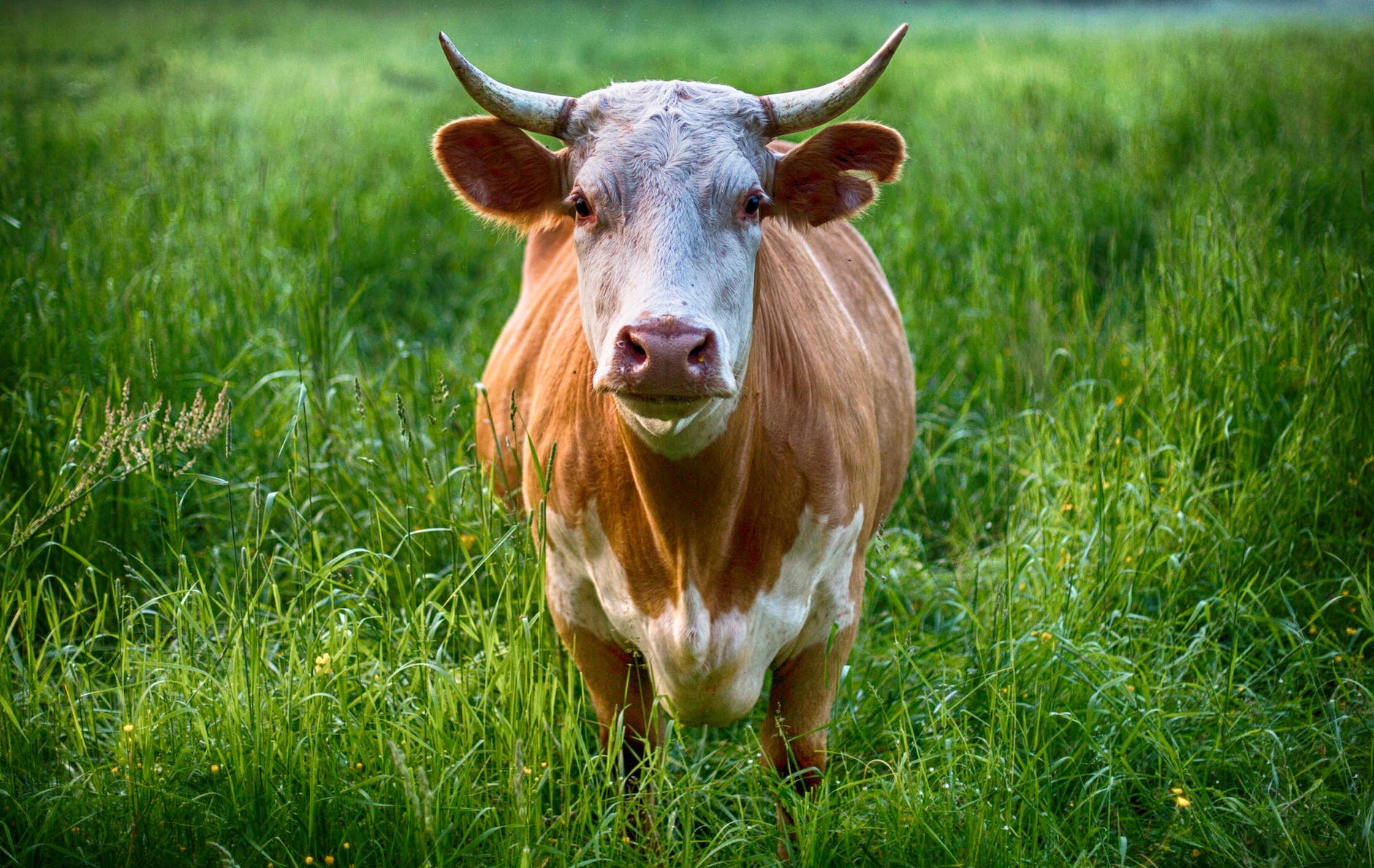
agriculture animal cattle close up
Photo by Pixabay Pexels.com

Definition of udhiyah and ruling thereon


What is meant by udhiyah (sacrifice)? Is it obligatory or Sunnah?.

Praise be to Allaah.
The word udhiyah means an animal of the ‘an’aam class (i.e., camel, cow, sheep or goat) that is slaughtered during the days of Eid al-Adha because of the Eid and as an act of worship, intending to draw closer to Allaah thereby.

This is one of the rituals of Islam prescribed in the Book of Allaah and the Sunnah of His Messenger (peace and blessings of Allaah be upon him), and according to the consensus of the Muslims.

In the Qur’aan:

1 – Allaah says (interpretation of the meaning):

“Therefore turn in prayer to your Lord and sacrifice (to Him only)”

[al-Kawthar 108:2]

2 – Allaah says (interpretation of the meaning):

“Say (O Muhammad): Verily, my Salaah (prayer), my sacrifice, my living, and my dying are for Allaah, the Lord of the ‘Aalameen (mankind, jinn and all that exists).

He has no partner. And of this I have been commanded, and I am the first of the Muslims”

[al-An’aam 6:162]

The word nusuk (translated here as sacrifice) means sacrifice; this is the view of Sa’eed ibn Jubayr. And it was said that it means all acts of worship, including sacrifice, which is more comprehensive.

3 – Allaah says (interpretation of the meaning):

“And for every nation We have appointed religious ceremonies, that they may mention the Name of Allaah over the beast of cattle that He has given them for food. And your Ilaah (God) is One Ilaah (God Allaah), so you must submit to Him Alone (in Islam). And (O Muhammad) give glad tidings to the Mukhbitoon [those who obey Allaah with humility and are humble from among the true believers of Islamic Monotheism]”

[al-Hajj 22:34]

In the Sunnah:

1 – It was narrated in Saheeh al-Bukhaari (5558) and Saheeh Muslim (1966) that Anas ibn Maalik (may Allaah be pleased with him) said: “The Prophet (peace and blessings of Allaah be upon him) sacrificed two white rams speckled with black. He slaughtered them with his own hand, said ‘Allaahu akbar’ and put his foot on their necks.”

2 – It was narrated that ‘Abd-Allaah ibn ‘Umar (may Allaah be pleased with him) said: “The Prophet (peace and blessings of Allaah be upon him) stayed in Madeenah for ten years, offering sacrifice (every year on Eid).” Narrated by Ahmad, 4935; al-Tirmidhi, 1507; classed as hasan by al-Albaani in Mishkaat al-Masaabeeh, 1475.

3 – It was narrated from ‘Uqbah ibn ‘Aamir (may Allaah be pleased with him) that the Prophet (peace and blessings of Allaah be upon him) shared out sacrificial animals amongst his companions, and ‘Uqbah got a sheep that was six months old. He said, “O Messenger of Allaah, I got a sheep that is six months old.” He said, “Offer it as a sacrifice.” Narrated by al-Bukhaari, 5547.

4 – It was narrated from al-Baraa’ ibn ‘Aazib (may Allaah be pleased with him) that the Prophet (peace and blessings of Allaah be upon him) said: “Whoever offers a sacrifice after the prayer has completed his rituals (of Eid) and has followed the way of the Muslims.” Narrated by al-Bukhaari, 5545.

The Prophet (peace and blessings of Allaah be upon him) offered sacrifices, as did his companions (may Allaah be pleased with them). And he said that sacrifice is the way of the Muslims.

Hence the Muslims are unanimously agreed that it is prescribed in Islam, as was narrated by more than one of the scholars.

But they differed as to whether it is Sunnah mu’akkadah (a confirmed Sunnah) or it is obligatory and it is not permissible to omit it.

The majority of scholars are of the view that it is Sunnah mu’akkadah. This is the view of al-Shaafa’i, Maalik and Ahmad according to his most well-known view.

Others were of the view that it is obligatory. This is the view of Abu Haneefah and one of the views narrated from Ahmad. This was also the view favoured by Ibn Taymiyah who said: “This is one of the views narrated in the madhhab of Maalik, or it appears to be the view of Maalik.”

From Risaalat Ahkaam al-Udhiyah wa’l-Dhakaah by Ibn ‘Uthaymeen (may Allaah have mercy on him).

Shaykh Muhammad ibn ‘Uthaymeen (may Allaah have mercy on him) said: “Udhiyah is Sunnah mu’akkadah for the one who is able to do it, so a person should offer the sacrifice on behalf of himself and the members of his household.”

Fataawa Ibn ‘Uthaymeen, 2/661.

REMINDER: 

If a person wants to offer an udhiyah, then it is haraam – according to the more correct view – for him to remove anything from his hair or nails until he offers his sacrifice, regardless of whether he offers his sacrifice at the beginning of the time for it, immediately after the Eid prayer, or at the end of the time, i.e., before sunset on the thirteenth of Dhu’l-Hijjah.

That is because of the report narrated by Muslim in his Saheeh (1977) from Umm Salamah (may Allah be pleased with her), who said: The Messenger of Allah (blessings and peace of Allah be upon him) said: “Whoever has an animal to sacrifice, when the new moon of Dhu’l-Hijjah appears, let him not remove anything from his hair or nails, until he has offered his sacrifice.”

https://islamqa.info/en/175381


May Allah enable us to draw near to Him with obligatory and voluntary acts of worship. Allahumma salli alaa Rasoolullah ameen.

Keep us in your duas !

Wasalam

Thurrock Muslims

THURROCKMUSLIMS.COM

share the good: http://wp.me/p4GU3D-n3

Continue reading

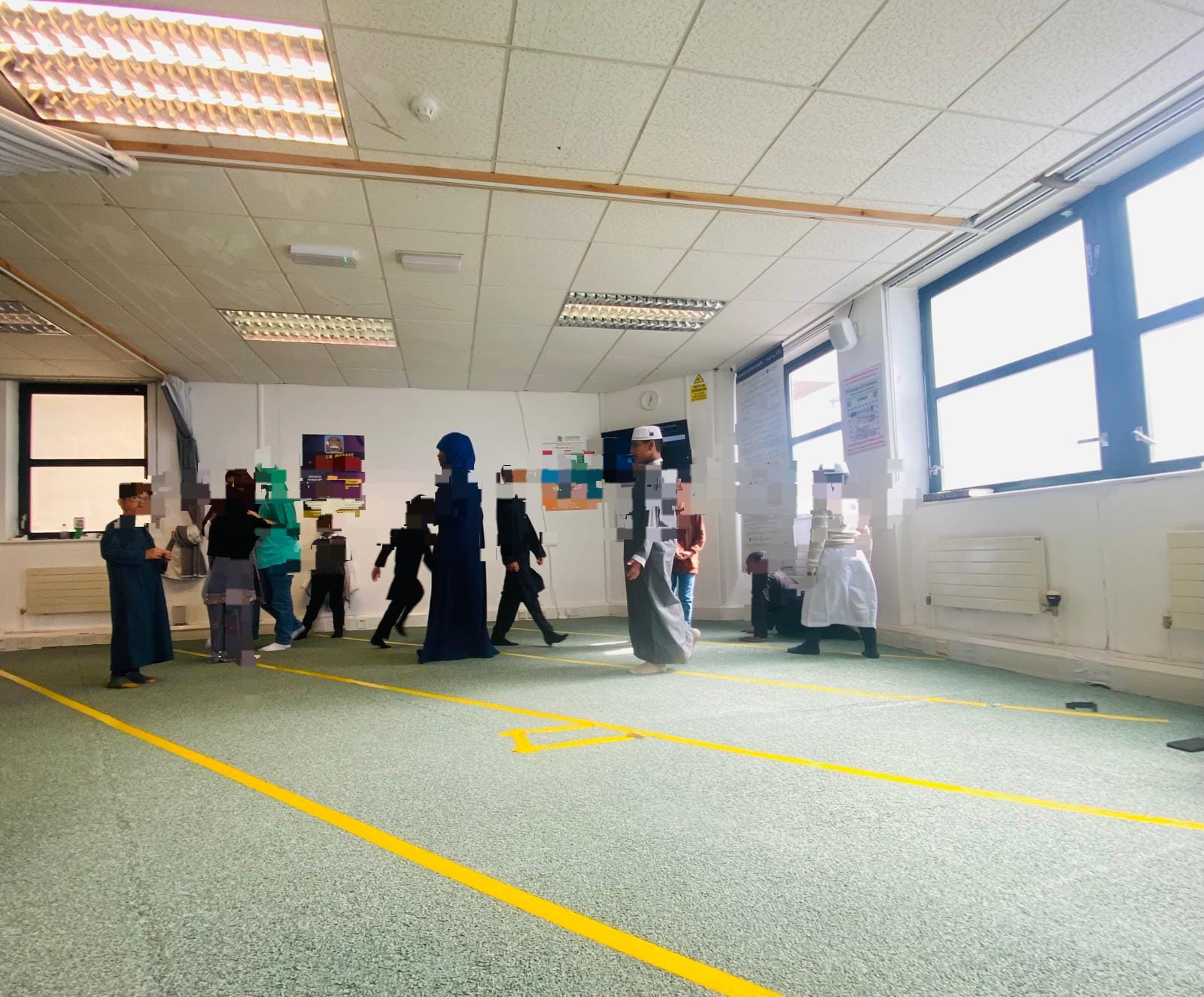
TALEEM MASJID KIDS EID PARTY OVERVIEW AND QUIZ WINNERS

TALEEM MASJID KIDS EID PARTY- QUIZ WINNERS

TALEEM MASJID held a KIDS EID PARTY to inspire, connect and educate the local Muslim children during spring break. It was a morning of games, fun, quizzes, food, snacks and sports.

The event highlight included Qur’an recitation by some young students of Taleem Masjid Madrasa

Check out the gallery!

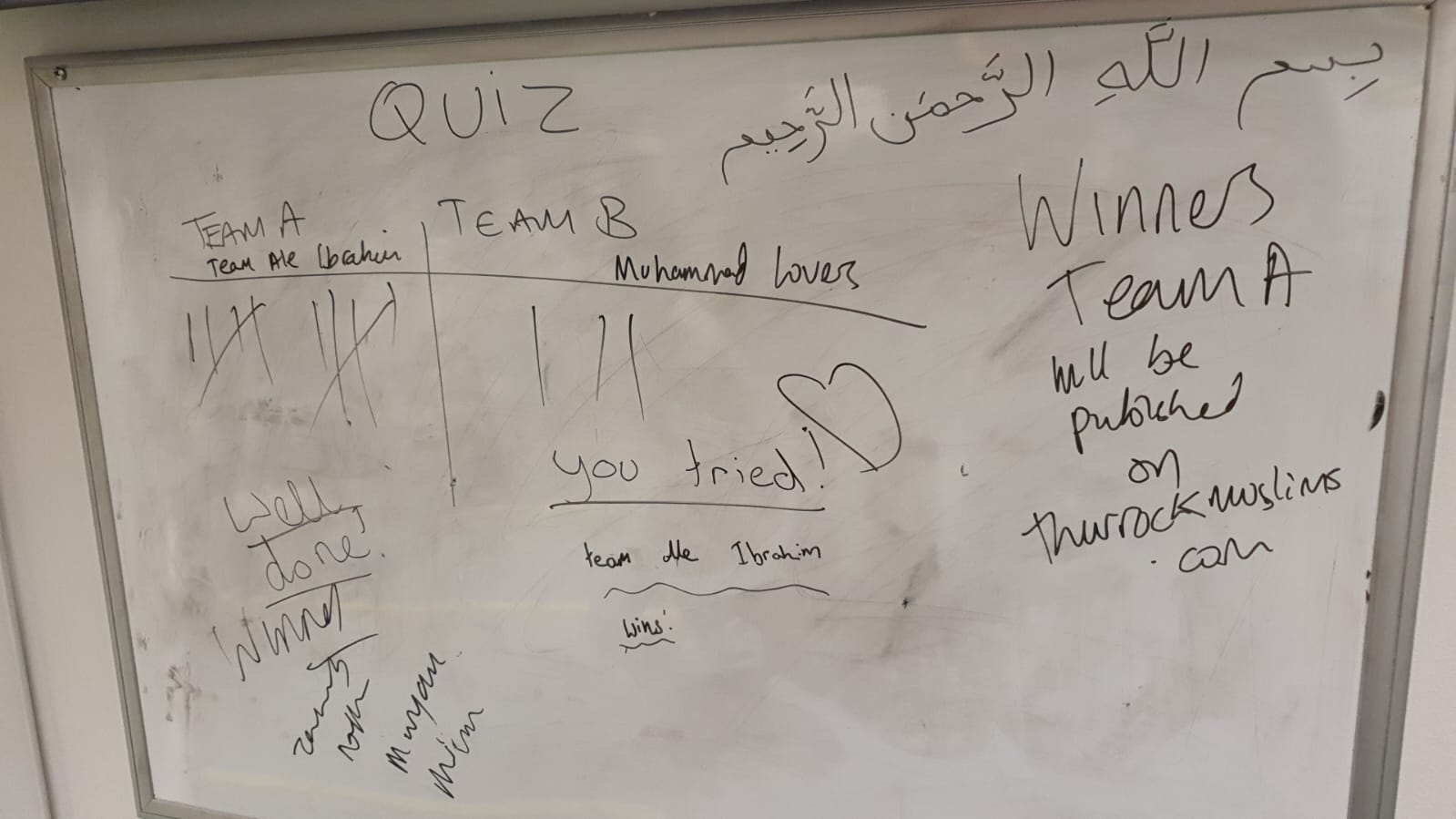
Quiz winners: TEAM B Ahmed, Abdul, Fahima, Nafiah, Amir, Zaid. Well done!

Team A runner up, thanks for playing!

Thanks for turning up and may Allah allow it to benefit us.

ThurrockMuslims.com

about/disclaimer

TALEEM MASJID WOMEN’S EVENT- EVENT OVERVIEW AND QUIZ WINNERS

TALEEM MASJID WOMEN’S EVENT- QUIZ WINNERS

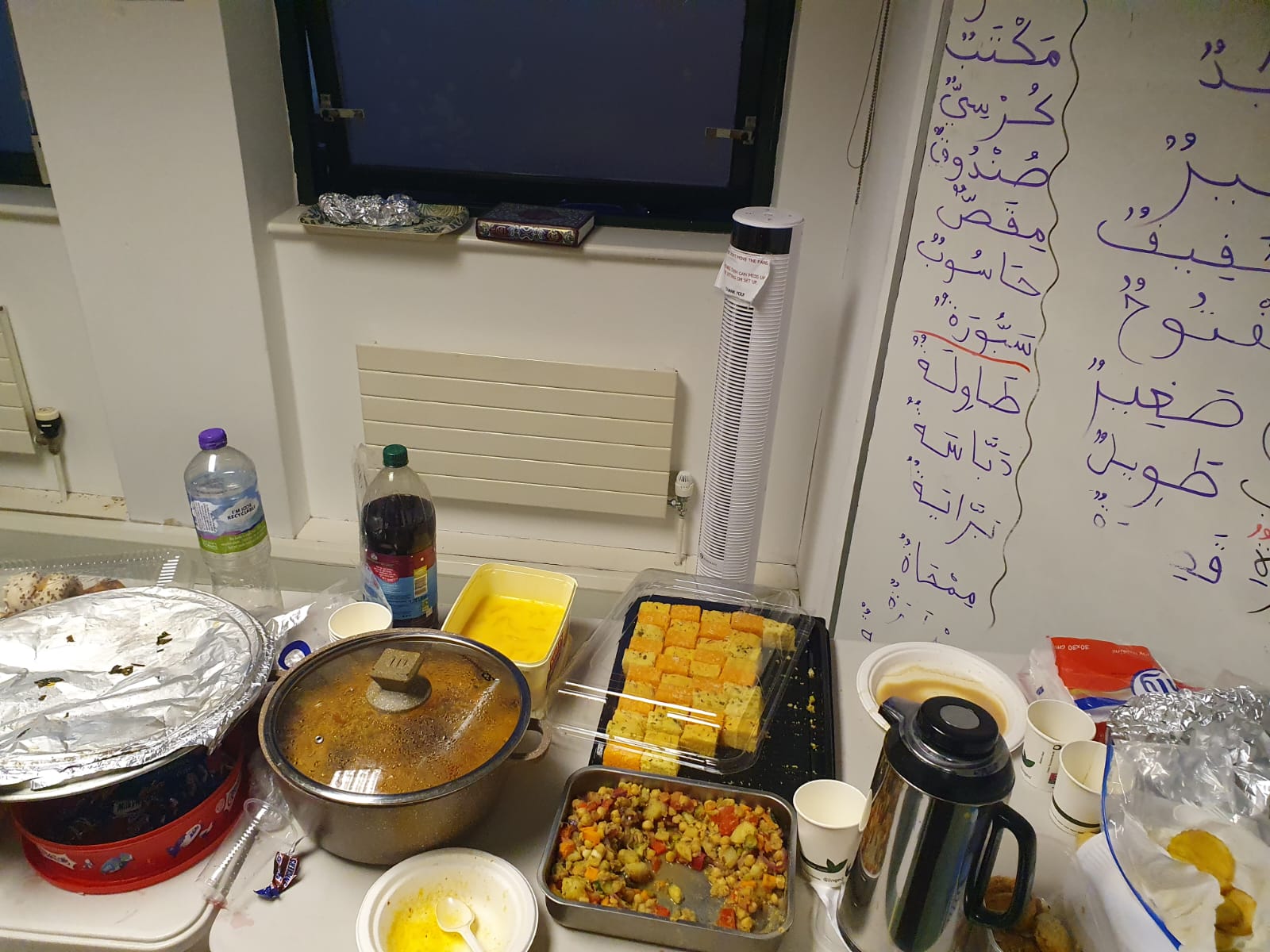
TALEEM MASJID held a women’s gathering, to inspire, connect and educate the local Muslim women. It was a night of socials, chill, pizza, biryani, cakes, tea, laughter, quizzes, and of course naseeha, dua, dhikr, salah in jamat and lots of smiles!

Check out the gallery!

Quiz winners: Zainab, Nafiah, Jidatu Nafi, auntie Maryam. Well done!

Thanks for turning up and may Allah allow it to benefit us.

ThurrockMuslims.com

about/disclaimer

VIRTUES OF THE FIRST 10 DAYS DHUL HIJJAH! [SACRIFICE]

about/disclaimer

IN THE NAME OF ALLAH


VIRTUES OF THE FIRST 10 DAYS OF DHUL HIJJAH!  [SACRIFICE]


QURBANI/UDHIYAH- SACRIFICING AN ANIMAL IN OBEDIENCE TO ALLAH

Check out the previous post with some amazing tips on how to make the best of these 10 days

Best 10 days of the year

Want to know what udhiyah/Qurbani is? Read this:

agriculture animal cattle close up
Photo by Pixabay Pexels.com

Definition of udhiyah and ruling thereon


What is meant by udhiyah (sacrifice)? Is it obligatory or Sunnah?.

Praise be to Allaah.
The word udhiyah means an animal of the ‘an’aam class (i.e., camel, cow, sheep or goat) that is slaughtered during the days of Eid al-Adha because of the Eid and as an act of worship, intending to draw closer to Allaah thereby.

This is one of the rituals of Islam prescribed in the Book of Allaah and the Sunnah of His Messenger (peace and blessings of Allaah be upon him), and according to the consensus of the Muslims.

In the Qur’aan:

1 – Allaah says (interpretation of the meaning):

“Therefore turn in prayer to your Lord and sacrifice (to Him only)”

[al-Kawthar 108:2]

2 – Allaah says (interpretation of the meaning):

“Say (O Muhammad): Verily, my Salaah (prayer), my sacrifice, my living, and my dying are for Allaah, the Lord of the ‘Aalameen (mankind, jinn and all that exists).

He has no partner. And of this I have been commanded, and I am the first of the Muslims”

[al-An’aam 6:162]

The word nusuk (translated here as sacrifice) means sacrifice; this is the view of Sa’eed ibn Jubayr. And it was said that it means all acts of worship, including sacrifice, which is more comprehensive.

3 – Allaah says (interpretation of the meaning):

“And for every nation We have appointed religious ceremonies, that they may mention the Name of Allaah over the beast of cattle that He has given them for food. And your Ilaah (God) is One Ilaah (God Allaah), so you must submit to Him Alone (in Islam). And (O Muhammad) give glad tidings to the Mukhbitoon [those who obey Allaah with humility and are humble from among the true believers of Islamic Monotheism]”

[al-Hajj 22:34]

In the Sunnah:

1 – It was narrated in Saheeh al-Bukhaari (5558) and Saheeh Muslim (1966) that Anas ibn Maalik (may Allaah be pleased with him) said: “The Prophet (peace and blessings of Allaah be upon him) sacrificed two white rams speckled with black. He slaughtered them with his own hand, said ‘Allaahu akbar’ and put his foot on their necks.”

2 – It was narrated that ‘Abd-Allaah ibn ‘Umar (may Allaah be pleased with him) said: “The Prophet (peace and blessings of Allaah be upon him) stayed in Madeenah for ten years, offering sacrifice (every year on Eid).” Narrated by Ahmad, 4935; al-Tirmidhi, 1507; classed as hasan by al-Albaani in Mishkaat al-Masaabeeh, 1475.

3 – It was narrated from ‘Uqbah ibn ‘Aamir (may Allaah be pleased with him) that the Prophet (peace and blessings of Allaah be upon him) shared out sacrificial animals amongst his companions, and ‘Uqbah got a sheep that was six months old. He said, “O Messenger of Allaah, I got a sheep that is six months old.” He said, “Offer it as a sacrifice.” Narrated by al-Bukhaari, 5547.

4 – It was narrated from al-Baraa’ ibn ‘Aazib (may Allaah be pleased with him) that the Prophet (peace and blessings of Allaah be upon him) said: “Whoever offers a sacrifice after the prayer has completed his rituals (of Eid) and has followed the way of the Muslims.” Narrated by al-Bukhaari, 5545.

The Prophet (peace and blessings of Allaah be upon him) offered sacrifices, as did his companions (may Allaah be pleased with them). And he said that sacrifice is the way of the Muslims.

Hence the Muslims are unanimously agreed that it is prescribed in Islam, as was narrated by more than one of the scholars.

But they differed as to whether it is Sunnah mu’akkadah (a confirmed Sunnah) or it is obligatory and it is not permissible to omit it.

The majority of scholars are of the view that it is Sunnah mu’akkadah. This is the view of al-Shaafa’i, Maalik and Ahmad according to his most well-known view.

Others were of the view that it is obligatory. This is the view of Abu Haneefah and one of the views narrated from Ahmad. This was also the view favoured by Ibn Taymiyah who said: “This is one of the views narrated in the madhhab of Maalik, or it appears to be the view of Maalik.”

From Risaalat Ahkaam al-Udhiyah wa’l-Dhakaah by Ibn ‘Uthaymeen (may Allaah have mercy on him).

Shaykh Muhammad ibn ‘Uthaymeen (may Allaah have mercy on him) said: “Udhiyah is Sunnah mu’akkadah for the one who is able to do it, so a person should offer the sacrifice on behalf of himself and the members of his household.”

Fataawa Ibn ‘Uthaymeen, 2/661.

REMINDER: 

If a person wants to offer an udhiyah, then it is haraam – according to the more correct view – for him to remove anything from his hair or nails until he offers his sacrifice, regardless of whether he offers his sacrifice at the beginning of the time for it, immediately after the Eid prayer, or at the end of the time, i.e., before sunset on the thirteenth of Dhu’l-Hijjah.

That is because of the report narrated by Muslim in his Saheeh (1977) from Umm Salamah (may Allah be pleased with her), who said: The Messenger of Allah (blessings and peace of Allah be upon him) said: “Whoever has an animal to sacrifice, when the new moon of Dhu’l-Hijjah appears, let him not remove anything from his hair or nails, until he has offered his sacrifice.”

https://islamqa.info/en/175381


May Allah enable us to draw near to Him with obligatory and voluntary acts of worship. Allahumma salli alaa Rasoolullah ameen.

Keep us in your duas !

Wasalam

Thurrock Muslims

THURROCKMUSLIMS.COM

share the good: http://wp.me/p4GU3D-n3

Continue reading
VIRTUES OF THE FIRST 10 DAYS DHUL HIJJAH! [SACRIFICE]

about/disclaimer

IN THE NAME OF ALLAH


VIRTUES OF THE FIRST 10 DAYS OF DHUL HIJJAH!  [SACRIFICE]


QURBANI/UDHIYAH- SACRIFICING AN ANIMAL IN OBEDIENCE TO ALLAH

Check out the previous post with some amazing tips on how to make the best of these 10 days

Best 10 days of the year

Want to know what udhiyah/Qurbani is? Read this:

agriculture animal cattle close up
Photo by Pixabay Pexels.com

Definition of udhiyah and ruling thereon


What is meant by udhiyah (sacrifice)? Is it obligatory or Sunnah?.

Praise be to Allaah.
The word udhiyah means an animal of the ‘an’aam class (i.e., camel, cow, sheep or goat) that is slaughtered during the days of Eid al-Adha because of the Eid and as an act of worship, intending to draw closer to Allaah thereby.

This is one of the rituals of Islam prescribed in the Book of Allaah and the Sunnah of His Messenger (peace and blessings of Allaah be upon him), and according to the consensus of the Muslims.

In the Qur’aan:

1 – Allaah says (interpretation of the meaning):

“Therefore turn in prayer to your Lord and sacrifice (to Him only)”

[al-Kawthar 108:2]

2 – Allaah says (interpretation of the meaning):

“Say (O Muhammad): Verily, my Salaah (prayer), my sacrifice, my living, and my dying are for Allaah, the Lord of the ‘Aalameen (mankind, jinn and all that exists).

He has no partner. And of this I have been commanded, and I am the first of the Muslims”

[al-An’aam 6:162]

The word nusuk (translated here as sacrifice) means sacrifice; this is the view of Sa’eed ibn Jubayr. And it was said that it means all acts of worship, including sacrifice, which is more comprehensive.

3 – Allaah says (interpretation of the meaning):

“And for every nation We have appointed religious ceremonies, that they may mention the Name of Allaah over the beast of cattle that He has given them for food. And your Ilaah (God) is One Ilaah (God Allaah), so you must submit to Him Alone (in Islam). And (O Muhammad) give glad tidings to the Mukhbitoon [those who obey Allaah with humility and are humble from among the true believers of Islamic Monotheism]”

[al-Hajj 22:34]

In the Sunnah:

1 – It was narrated in Saheeh al-Bukhaari (5558) and Saheeh Muslim (1966) that Anas ibn Maalik (may Allaah be pleased with him) said: “The Prophet (peace and blessings of Allaah be upon him) sacrificed two white rams speckled with black. He slaughtered them with his own hand, said ‘Allaahu akbar’ and put his foot on their necks.”

2 – It was narrated that ‘Abd-Allaah ibn ‘Umar (may Allaah be pleased with him) said: “The Prophet (peace and blessings of Allaah be upon him) stayed in Madeenah for ten years, offering sacrifice (every year on Eid).” Narrated by Ahmad, 4935; al-Tirmidhi, 1507; classed as hasan by al-Albaani in Mishkaat al-Masaabeeh, 1475.

3 – It was narrated from ‘Uqbah ibn ‘Aamir (may Allaah be pleased with him) that the Prophet (peace and blessings of Allaah be upon him) shared out sacrificial animals amongst his companions, and ‘Uqbah got a sheep that was six months old. He said, “O Messenger of Allaah, I got a sheep that is six months old.” He said, “Offer it as a sacrifice.” Narrated by al-Bukhaari, 5547.

4 – It was narrated from al-Baraa’ ibn ‘Aazib (may Allaah be pleased with him) that the Prophet (peace and blessings of Allaah be upon him) said: “Whoever offers a sacrifice after the prayer has completed his rituals (of Eid) and has followed the way of the Muslims.” Narrated by al-Bukhaari, 5545.

The Prophet (peace and blessings of Allaah be upon him) offered sacrifices, as did his companions (may Allaah be pleased with them). And he said that sacrifice is the way of the Muslims.

Hence the Muslims are unanimously agreed that it is prescribed in Islam, as was narrated by more than one of the scholars.

But they differed as to whether it is Sunnah mu’akkadah (a confirmed Sunnah) or it is obligatory and it is not permissible to omit it.

The majority of scholars are of the view that it is Sunnah mu’akkadah. This is the view of al-Shaafa’i, Maalik and Ahmad according to his most well-known view.

Others were of the view that it is obligatory. This is the view of Abu Haneefah and one of the views narrated from Ahmad. This was also the view favoured by Ibn Taymiyah who said: “This is one of the views narrated in the madhhab of Maalik, or it appears to be the view of Maalik.”

From Risaalat Ahkaam al-Udhiyah wa’l-Dhakaah by Ibn ‘Uthaymeen (may Allaah have mercy on him).

Shaykh Muhammad ibn ‘Uthaymeen (may Allaah have mercy on him) said: “Udhiyah is Sunnah mu’akkadah for the one who is able to do it, so a person should offer the sacrifice on behalf of himself and the members of his household.”

Fataawa Ibn ‘Uthaymeen, 2/661.

REMINDER: 

If a person wants to offer an udhiyah, then it is haraam – according to the more correct view – for him to remove anything from his hair or nails until he offers his sacrifice, regardless of whether he offers his sacrifice at the beginning of the time for it, immediately after the Eid prayer, or at the end of the time, i.e., before sunset on the thirteenth of Dhu’l-Hijjah.

That is because of the report narrated by Muslim in his Saheeh (1977) from Umm Salamah (may Allah be pleased with her), who said: The Messenger of Allah (blessings and peace of Allah be upon him) said: “Whoever has an animal to sacrifice, when the new moon of Dhu’l-Hijjah appears, let him not remove anything from his hair or nails, until he has offered his sacrifice.”

https://islamqa.info/en/175381


May Allah enable us to draw near to Him with obligatory and voluntary acts of worship. Allahumma salli alaa Rasoolullah ameen.

Keep us in your duas !

Wasalam

Thurrock Muslims

THURROCKMUSLIMS.COM

share the good: http://wp.me/p4GU3D-n3

Continue reading

RAMADAN FAMILY DINNER EVENT 18 MARCH 2023 IN GRAYS/THURROCK/ESSEX- TALEEM FOUNDATION

RAMADAN FAMILY EVENT 18 MARCH 2023 IN GRAYS/THURROCK/ESSEX- TALEEM FOUNDATION

Don’t be deprived! Come along with family and friends.

(Contact organiseer, for tickets : https://www.eventbrite.co.uk/e/ramadan-family-dinner-event-tickets-543620853607 

Come and join a gathering where Allah is mentioned. Let’s win this Ramadan in sha Allah.

*RAMADAN FAMILY EVENT*

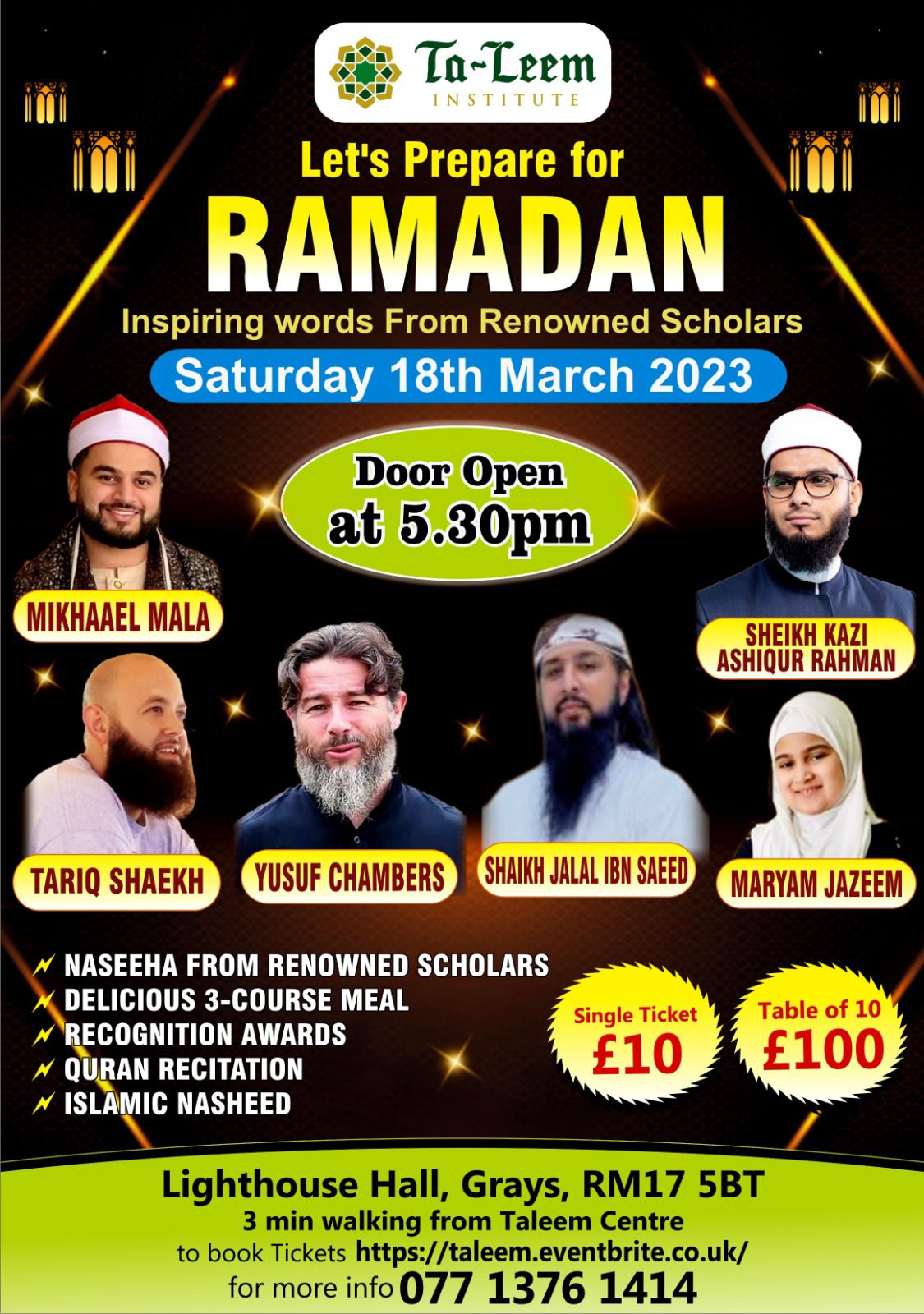
Taleem would like to invite you to a special family dinner Ramadan event. Join us for a beneficial convention exploring tips on how to prepare for Ramadan.

*Saturday 18th March 2023*

*Door Open 5.30 P.M*

Venue: *Lighthouse Hall, Grays, RM17 5BT*

*NASEEHA FROM RENOWNED SCHOLARS AND NASHEED*

– Yusuf Chambers

– Shaikh Saeed ibn Jalal

– Sheikh Ashiqur Rahman

– Mikhaael Mala

– Tariq Shaikh 

– Marayam Jazeem

* Delicious 3-Course Meal

* Sponsors Recognition Awards

* Islamic Nasheeds

To *book tickets* click here 

https://taleem.eventbrite.co.uk

Please *Share* the poster

Thurrock Muslim Community

Thurrockmuslims.com

About/disclaimer

Read more: RAMADAN FAMILY DINNER EVENT 18 MARCH 2023 IN GRAYS/THURROCK/ESSEX- TALEEM FOUNDATION

Supported by Travel Link, ATOL and IATA accredited professional travel services, flights, holidays and umrah.

10 things that bring about the Love of Allah – Ibn alQayyim

Asalamu alaykum!


10 things that bring about the Love of Allah – Ibn alQayyim


1. Recitation of the Qur’an with reflection and understanding of its meaning.

2. Seeking closeness to Allah by performing voluntary deeds after obligatory ones, for that leads one to the highest levels of love.

3. Remembering Allah in every situation by one’s time, heart and deeds. One’s share of that love is to the degree of one’s share with that remembrance.

4. Preferring what He loves to what you love when your desires are strong.

5. Allowing your heart to reflect on His Names and Attributes.

6. Reflecting on His many favours and blessings both the apparent ones and hidden ones, for that leads to His love.

7. Having your heart soften as it is worshipping Allah.

love in the sand8. Being alone with Him in worship when He descends during the last third of the night. To invoke Him, to recite His speech (Quran), to stand with all sincerity (in prayer) and with good manners and good submission (humility) and to end that with repentance and seeking His forgiveness.

9. Sitting with those who are truthful in their love of Allah.

10. Staying away from all that creates barriers between the heart and Allah.

Say (O Muhammad صلى الله عليه وسلم to mankind): “If you (really) love Allah then follow me (i.e. accept Islamic Monotheism, follow the Qur’an and the Sunnah), Allah will love you and forgive you your sins. And Allah is Oft-Forgiving, Most Merciful.” [Qur’an chapter 3 verse 31]

May Allah enable us to be of those whom He loves and is pleased with, and those who practise what we preach, ya Salam, ya Rabb al alameen! Allahumma salli wasallim alaa nabiyinaa Muhammad!

(Jazakallah khair, courtesy of Sheikh Musleh Khan

ThurrockMuslims.com

Disclaimer:

Continue reading

VIRTUES OF THE FIRST 10 DAYS DHUL HIJJAH! [SACRIFICE]

IN THE NAME OF ALLAH


VIRTUES OF THE FIRST 10 DAYS OF DHUL HIJJAH!  [SACRIFICE]


QURBANI/UDHIYAH- SACRIFICING AN ANIMAL IN OBEDIENCE TO ALLAH

Check out the previous post with some amazing tips on how to make the best of these 10 days

Best 10 days of the year

Want to know what udhiyah/Qurbani is? Read this:

4


Definition of udhiyah and ruling thereon


What is meant by udhiyah (sacrifice)? Is it obligatory or Sunnah?.

Praise be to Allaah.
The word udhiyah means an animal of the ‘an’aam class (i.e., camel, cow, sheep or goat) that is slaughtered during the days of Eid al-Adha because of the Eid and as an act of worship, intending to draw closer to Allaah thereby.

This is one of the rituals of Islam prescribed in the Book of Allaah and the Sunnah of His Messenger (peace and blessings of Allaah be upon him), and according to the consensus of the Muslims.

In the Qur’aan:

1 – Allaah says (interpretation of the meaning):

“Therefore turn in prayer to your Lord and sacrifice (to Him only)”

[al-Kawthar 108:2]

2 – Allaah says (interpretation of the meaning):

“Say (O Muhammad): Verily, my Salaah (prayer), my sacrifice, my living, and my dying are for Allaah, the Lord of the ‘Aalameen (mankind, jinn and all that exists).

He has no partner. And of this I have been commanded, and I am the first of the Muslims”

[al-An’aam 6:162]

The word nusuk (translated here as sacrifice) means sacrifice; this is the view of Sa’eed ibn Jubayr. And it was said that it means all acts of worship, including sacrifice, which is more comprehensive.

3 – Allaah says (interpretation of the meaning):

“And for every nation We have appointed religious ceremonies, that they may mention the Name of Allaah over the beast of cattle that He has given them for food. And your Ilaah (God) is One Ilaah (God Allaah), so you must submit to Him Alone (in Islam). And (O Muhammad) give glad tidings to the Mukhbitoon [those who obey Allaah with humility and are humble from among the true believers of Islamic Monotheism]”

[al-Hajj 22:34]

In the Sunnah:

1 – It was narrated in Saheeh al-Bukhaari (5558) and Saheeh Muslim (1966) that Anas ibn Maalik (may Allaah be pleased with him) said: “The Prophet (peace and blessings of Allaah be upon him) sacrificed two white rams speckled with black. He slaughtered them with his own hand, said ‘Allaahu akbar’ and put his foot on their necks.”

2 – It was narrated that ‘Abd-Allaah ibn ‘Umar (may Allaah be pleased with him) said: “The Prophet (peace and blessings of Allaah be upon him) stayed in Madeenah for ten years, offering sacrifice (every year on Eid).” Narrated by Ahmad, 4935; al-Tirmidhi, 1507; classed as hasan by al-Albaani in Mishkaat al-Masaabeeh, 1475.

3 – It was narrated from ‘Uqbah ibn ‘Aamir (may Allaah be pleased with him) that the Prophet (peace and blessings of Allaah be upon him) shared out sacrificial animals amongst his companions, and ‘Uqbah got a sheep that was six months old. He said, “O Messenger of Allaah, I got a sheep that is six months old.” He said, “Offer it as a sacrifice.” Narrated by al-Bukhaari, 5547.

4 – It was narrated from al-Baraa’ ibn ‘Aazib (may Allaah be pleased with him) that the Prophet (peace and blessings of Allaah be upon him) said: “Whoever offers a sacrifice after the prayer has completed his rituals (of Eid) and has followed the way of the Muslims.” Narrated by al-Bukhaari, 5545.

The Prophet (peace and blessings of Allaah be upon him) offered sacrifices, as did his companions (may Allaah be pleased with them). And he said that sacrifice is the way of the Muslims.

Hence the Muslims are unanimously agreed that it is prescribed in Islam, as was narrated by more than one of the scholars.

But they differed as to whether it is Sunnah mu’akkadah (a confirmed Sunnah) or it is obligatory and it is not permissible to omit it.

The majority of scholars are of the view that it is Sunnah mu’akkadah. This is the view of al-Shaafa’i, Maalik and Ahmad according to his most well-known view.

Others were of the view that it is obligatory. This is the view of Abu Haneefah and one of the views narrated from Ahmad. This was also the view favoured by Ibn Taymiyah who said: “This is one of the views narrated in the madhhab of Maalik, or it appears to be the view of Maalik.”

From Risaalat Ahkaam al-Udhiyah wa’l-Dhakaah by Ibn ‘Uthaymeen (may Allaah have mercy on him).

Shaykh Muhammad ibn ‘Uthaymeen (may Allaah have mercy on him) said: “Udhiyah is Sunnah mu’akkadah for the one who is able to do it, so a person should offer the sacrifice on behalf of himself and the members of his household.”

Fataawa Ibn ‘Uthaymeen, 2/661.

REMINDER: 

If a person wants to offer an udhiyah, then it is haraam – according to the more correct view – for him to remove anything from his hair or nails until he offers his sacrifice, regardless of whether he offers his sacrifice at the beginning of the time for it, immediately after the Eid prayer, or at the end of the time, i.e., before sunset on the thirteenth of Dhu’l-Hijjah.

That is because of the report narrated by Muslim in his Saheeh (1977) from Umm Salamah (may Allah be pleased with her), who said: The Messenger of Allah (blessings and peace of Allah be upon him) said: “Whoever has an animal to sacrifice, when the new moon of Dhu’l-Hijjah appears, let him not remove anything from his hair or nails, until he has offered his sacrifice.”

https://islamqa.info/en/175381


May Allah enable us to draw near to Him with obligatory and voluntary acts of worship. Allahumma salli alaa Rasoolullah ameen.

Keep us in your duas !

Wasalam

Thurrock Muslims

THURROCKMUSLIMS.COM

share the good: http://wp.me/p4GU3D-n3

Continue reading
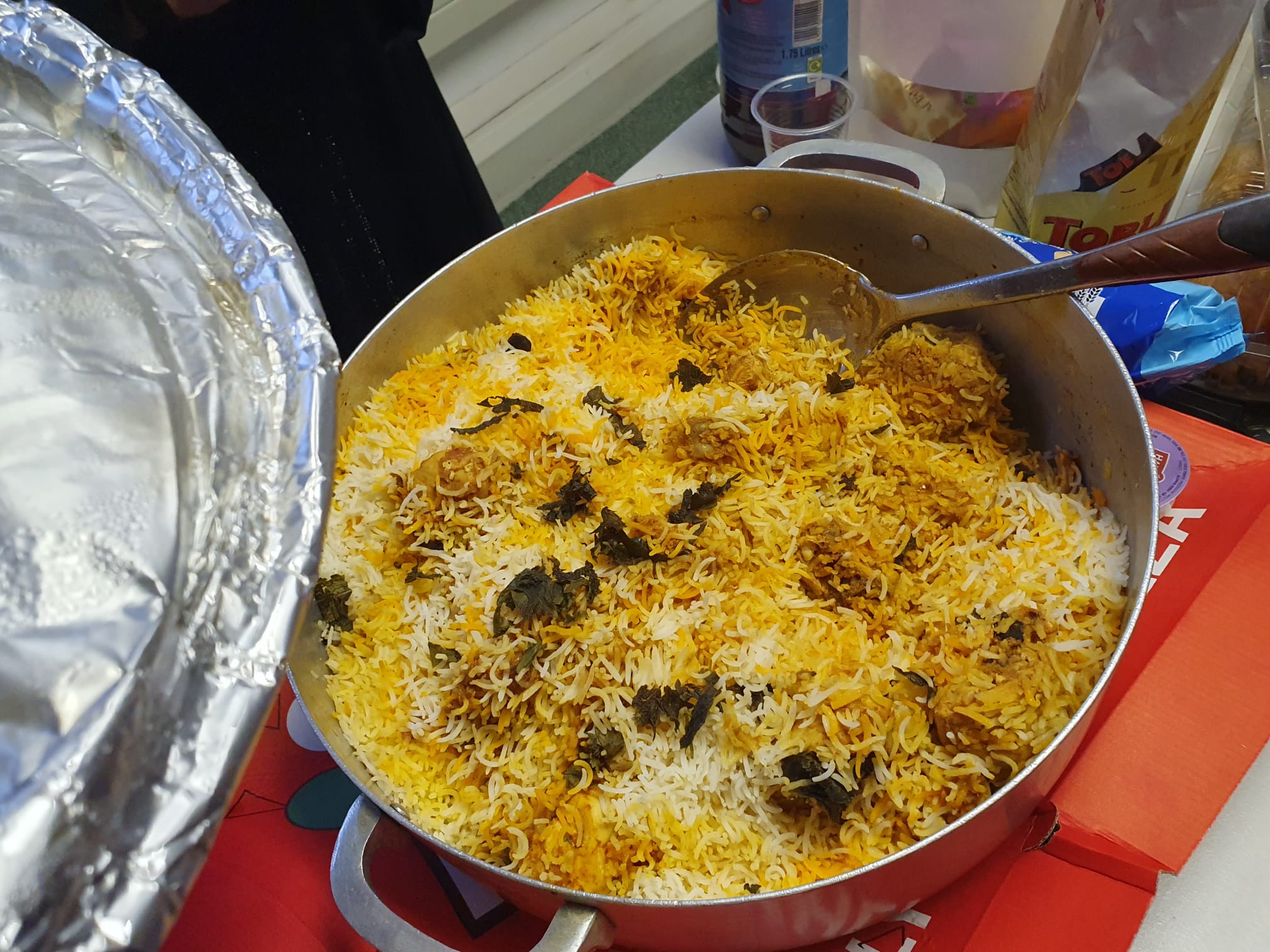
THURROCK MUSLIM COMMUNITY IFTAR BY TALEEM FOUNDATION- SAT 16 APR 2022- RAMADAN 1443

THURROCK MUSLIM COMMUNITY IFTAR BY TALEEM FOUNDATION- SAT 16 APR 2022- RAMADAN 1443

ALL INVITED!

MESSAGE FROM TF CENTRE

Assalamu’alaykum,
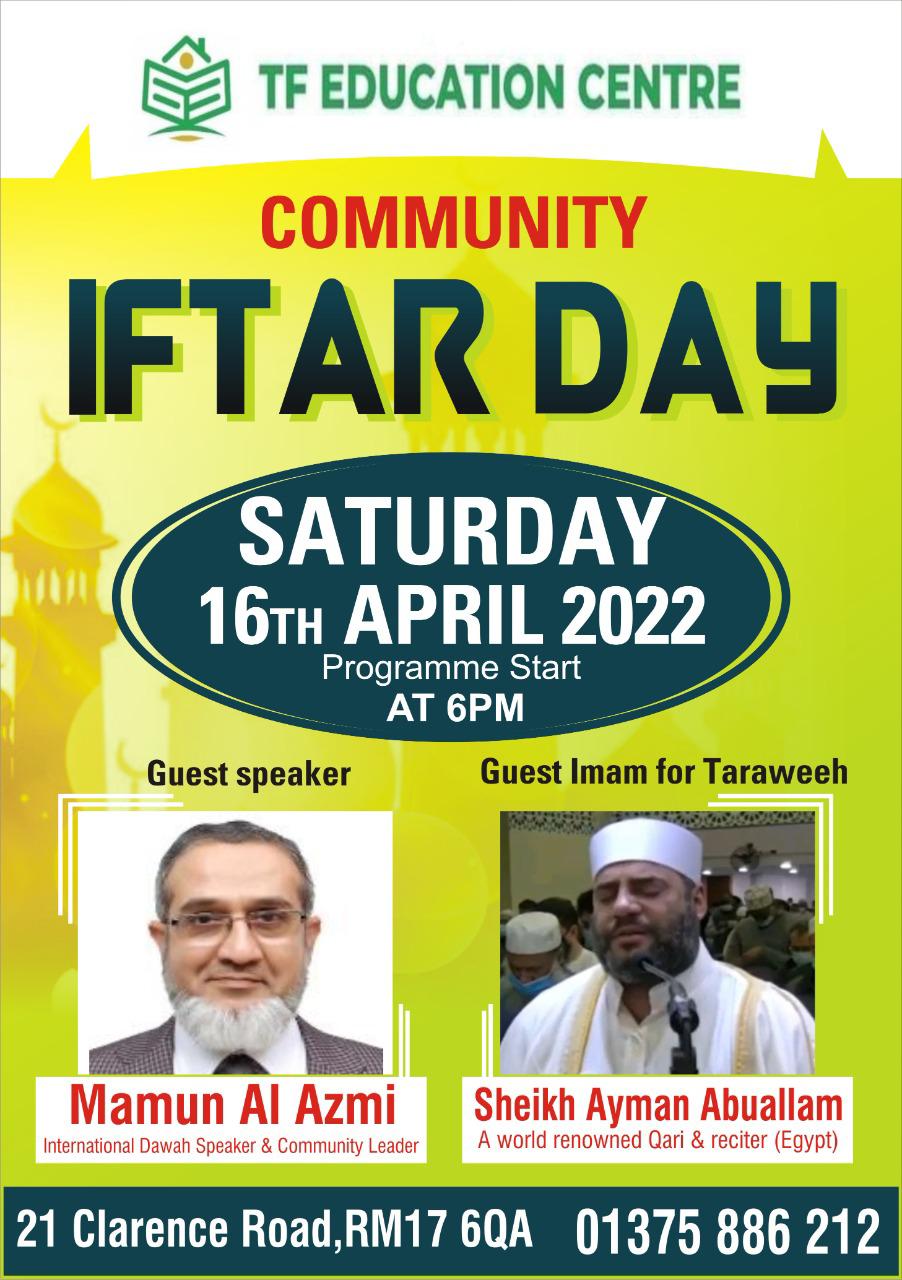
Taleem 1st Community iftari day is today, 16th April

Please come with your family inhsAllah. I will be really honoured

Time: Door opens 6.00pm
Islamic Talk/Lecture: 7.00pm
Delicious Iftar: Provided by Taleem community

Community Iftar day for brothers, sisters, children (Family = for all)

Bro AK Mizan
*Founder of Taleem *

Thurrockmuslims.com

About/disclaimer

VIRTUES OF THE FIRST 10 DAYS DHUL HIJJAH! [SACRIFICE]

IN THE NAME OF ALLAH


VIRTUES OF THE FIRST 10 DAYS OF DHUL HIJJAH!  [SACRIFICE]


QURBANI/UDHIYAH- SACRIFICING AN ANIMAL IN OBEDIENCE TO ALLAH

Check out the previous post with some amazing tips on how to make the best of these 10 days

Best 10 days of the year

Want to know what udhiyah/Qurbani is? Read this:

Definition of udhiyah and ruling thereon


What is meant by udhiyah (sacrifice)? Is it obligatory or Sunnah?.

Praise be to Allaah.
The word udhiyah means an animal of the ‘an’aam class (i.e., camel, cow, sheep or goat) that is slaughtered during the days of Eid al-Adha because of the Eid and as an act of worship, intending to draw closer to Allaah thereby.

This is one of the rituals of Islam prescribed in the Book of Allaah and the Sunnah of His Messenger (peace and blessings of Allaah be upon him), and according to the consensus of the Muslims.

In the Qur’aan:

1 – Allaah says (interpretation of the meaning):

“Therefore turn in prayer to your Lord and sacrifice (to Him only)”

[al-Kawthar 108:2]

2 – Allaah says (interpretation of the meaning):

“Say (O Muhammad): Verily, my Salaah (prayer), my sacrifice, my living, and my dying are for Allaah, the Lord of the ‘Aalameen (mankind, jinn and all that exists).

He has no partner. And of this I have been commanded, and I am the first of the Muslims”

[al-An’aam 6:162]

The word nusuk (translated here as sacrifice) means sacrifice; this is the view of Sa’eed ibn Jubayr. And it was said that it means all acts of worship, including sacrifice, which is more comprehensive.

3 – Allaah says (interpretation of the meaning):

“And for every nation We have appointed religious ceremonies, that they may mention the Name of Allaah over the beast of cattle that He has given them for food. And your Ilaah (God) is One Ilaah (God Allaah), so you must submit to Him Alone (in Islam). And (O Muhammad) give glad tidings to the Mukhbitoon [those who obey Allaah with humility and are humble from among the true believers of Islamic Monotheism]”

[al-Hajj 22:34]

In the Sunnah:

1 – It was narrated in Saheeh al-Bukhaari (5558) and Saheeh Muslim (1966) that Anas ibn Maalik (may Allaah be pleased with him) said: “The Prophet (peace and blessings of Allaah be upon him) sacrificed two white rams speckled with black. He slaughtered them with his own hand, said ‘Allaahu akbar’ and put his foot on their necks.”

2 – It was narrated that ‘Abd-Allaah ibn ‘Umar (may Allaah be pleased with him) said: “The Prophet (peace and blessings of Allaah be upon him) stayed in Madeenah for ten years, offering sacrifice (every year on Eid).” Narrated by Ahmad, 4935; al-Tirmidhi, 1507; classed as hasan by al-Albaani in Mishkaat al-Masaabeeh, 1475.

3 – It was narrated from ‘Uqbah ibn ‘Aamir (may Allaah be pleased with him) that the Prophet (peace and blessings of Allaah be upon him) shared out sacrificial animals amongst his companions, and ‘Uqbah got a sheep that was six months old. He said, “O Messenger of Allaah, I got a sheep that is six months old.” He said, “Offer it as a sacrifice.” Narrated by al-Bukhaari, 5547.

4 – It was narrated from al-Baraa’ ibn ‘Aazib (may Allaah be pleased with him) that the Prophet (peace and blessings of Allaah be upon him) said: “Whoever offers a sacrifice after the prayer has completed his rituals (of Eid) and has followed the way of the Muslims.” Narrated by al-Bukhaari, 5545.

The Prophet (peace and blessings of Allaah be upon him) offered sacrifices, as did his companions (may Allaah be pleased with them). And he said that sacrifice is the way of the Muslims.

Hence the Muslims are unanimously agreed that it is prescribed in Islam, as was narrated by more than one of the scholars.

But they differed as to whether it is Sunnah mu’akkadah (a confirmed Sunnah) or it is obligatory and it is not permissible to omit it.

The majority of scholars are of the view that it is Sunnah mu’akkadah. This is the view of al-Shaafa’i, Maalik and Ahmad according to his most well-known view.

Others were of the view that it is obligatory. This is the view of Abu Haneefah and one of the views narrated from Ahmad. This was also the view favoured by Ibn Taymiyah who said: “This is one of the views narrated in the madhhab of Maalik, or it appears to be the view of Maalik.”

From Risaalat Ahkaam al-Udhiyah wa’l-Dhakaah by Ibn ‘Uthaymeen (may Allaah have mercy on him).

Shaykh Muhammad ibn ‘Uthaymeen (may Allaah have mercy on him) said: “Udhiyah is Sunnah mu’akkadah for the one who is able to do it, so a person should offer the sacrifice on behalf of himself and the members of his household.”

Fataawa Ibn ‘Uthaymeen, 2/661.

REMINDER: 

If a person wants to offer an udhiyah, then it is haraam – according to the more correct view – for him to remove anything from his hair or nails until he offers his sacrifice, regardless of whether he offers his sacrifice at the beginning of the time for it, immediately after the Eid prayer, or at the end of the time, i.e., before sunset on the thirteenth of Dhu’l-Hijjah.

That is because of the report narrated by Muslim in his Saheeh (1977) from Umm Salamah (may Allah be pleased with her), who said: The Messenger of Allah (blessings and peace of Allah be upon him) said: “Whoever has an animal to sacrifice, when the new moon of Dhu’l-Hijjah appears, let him not remove anything from his hair or nails, until he has offered his sacrifice.”

https://islamqa.info/en/175381


May Allah enable us to draw near to Him with obligatory and voluntary acts of worship. Allahumma salli alaa Rasoolullah ameen.

Keep us in your duas !

Wasalam

Thurrock Muslims

THURROCKMUSLIMS.COM

share the good: http://wp.me/p4GU3D-n3

Continue reading