GET READY FOR RAMADAN! Thurrock Muslims -Ramadan preparatory reminders- Fiqh of fasting


GET READY FOR RAMADAN 1445AH

Ramadaan preparatory reminders- Fiqh of fasting


Share this vital information with others! https://wp.me/p4GU3D-Cz

Let’s get ready for Ramadan in obedience to our Most Merciful Rabb, Allah!

person holding blue ceramic teapot pouring tea on clear drinking glass
Photo by Tima Miroshnichenko

It is hoped this will inform us of the primary reasons we fast, what is required of us and what to hope for.

May Allah, The Supreme Creator, permit us to fast for none but Him alone, may He reward us for our endeavours, and may He permit us to strive to avoid that which nullifies the fast, and strive to adhere to what maintains and perfects it, in accordance with the teachings of His final prophet peace be upon him.  Ameen.

DISCLAIMER: This is for educational purposes and serves as an introduction to the issues pertaining to fasting. Parents/guardians are advised to supervise the following read as some issues which pertain to married adults have been mentioned. Please consult a knowledgeable Islamic scholar (and trustworthy medical professional) for details, particularly for questions and advice related to individual circumstances. We are not scholars and thus cannot issue fatwa, however we endeavour relate to you the words of the scholars who have studied the authentic teachings of Islam from the Qur’an and the Sunnah of prophet Muhammad upon him be peace. And ultimately, Allah knows best.

blue squares banner

Fiqh of Fasting – Part 7  (adapted mainly from Sh. Yahya Adel Ibrahim with notes from others)

Summary of Siyam (Fasting) Essentials

What is the meaning of “Siyam?”

The word “siyam” comes from the root word “sowm,” which means “to abstain from.”

Did Muslims fast before 2 A.H.?

Yes, in fact the Prophet sala Allahu alihi wasSalaam and his companions (may Allah be pleased with them) used to fast on various days, including:

1. Day of Ashura (the exodus) when Allah delivered Musa sala Allahu alihi wasSalaam and the Muslims of that time from the evil of Pharaoh. The Prophet (upon him be peace) taught us to fast two days—either the day before or after plus the actual day of Ashura.

2. On the day of Arafat, if not making Hajj

3. The first 9 Days of dhul-Hijjah

4. Mondays & Thursdays through out the year

5. The middle three days of each lunar month (13th, 14th & 15th) when he moon is at its brightest

6. There are some proofs by way of Khadija (May Allah be pleased with her) who reports that the Prophet (peace be upon him) used to fast before the prophethood—but we do not know the exact days.

Why was Siyam ordered?

The answer to this question lies only with Allah. However, we can find that there are many benefits and bits of wisdom behind this pious and sincere act.

1. Increases one’s Taqwa (remembrance of Allah in daily affairs), as is stated in the Quran: Surah Baqara verse 183.

2. Trains the body, mind and spirit to bear hardships while remaining patient.

3. Trains the body, mind and spirit to hold back from the natural desires of the human: food, drink, anger, lust, etc.

4. To help one understand what the impoverished go though.

What is the importance of the month of Ramadan?

This is the month in which the gates of heaven are opened and the gates of hell are closed. This is the month where every dua’ reaches Allah. This is the month where the Muslims are protected from the evil whisperings of the shayateen. This is the month where one plants the seeds of worship, the seeds of taqwa in the earth and harvests the good deeds for sustenance throughout the year. And most importantly, this is the month in which the Quran was revealed—more specifically, on the night of Lailat-ul-Qadr.

Who must fast?

1. One who is Muslim
2. One who has Aql (mental faculties are sound and understands the responsibility of fasting)
3. One who has reached the age of puberty (signs include: growth of pubic hair or nocturnal emissions, emitting maniy, or reaching 15 years of age, occurrence of menses)
4. One who is Kaadir (able to maintain the fast)

What is the requirement for the fast?

Very simply, the fast begins with the niya (intention-this need not be verbal, rather intention resides in the heart)—this is a pre Requisite/ Shart—and then refraining from food, drink and things that break the fast, until the time for Maghrib has arrived.

It must be noted by the reader that one cannot just wake up in the morning and proclaim his fast for that day. This was only allowed for the Prophet sala Allahu alihi wasSalaam. Rather, for the followers, there needs to be mental recognition of the fast BEFORE FAJR in other than the month of Ramadan.

What breaks the fast?

1. Eating

2. Drinking

3. Sexual relations/intimate acts of any type that leads to male or female sexual discharge,

4. Haid (menstrual bleeding)

5. Nifas (post natal bleeding)

6. Intentional vomiting

7. Needles that give you nourishment

For further clarification on some issues:

a. Blood testing is okay

b. If one needs to take Insulin then that person cannot fast

c. Using the puffer for asthma patients is okay—the respiratory type only.

(in sha Allah, see more detailed article on things which nullify the fast)
What happens if a couple has intimate relations during the fast?

• If the couple have intercourse intentionally then they have to make up that day and they have to fast 60 days consecutively, or if unable feed 60 people or Kafarah

What is Kafarah?

This is given only as expiation for sexual infractions during the fast. There are three methods of expiation:

1. Freeing of a slave

2. Fast for 60 consecutive days. If one day is missed then you would start from the beginning again

3. If you are unable to fast, for a legitimate reason (sick, old,etc.) then you may feed 60 miskeen (poor) people. They have to be Muslim people and it can happen on one day as a feast. Also, one can just give the money to feed 60 people. This is considered a debt for that person and they should fulfil it before their death. If they do die then the relatives can either fast for them or feed the miskeen.

What about those that cannot fast, but are of age?

Of those who are excused from the fast are those who have a long-term sickness, the pregnant woman, the woman who is breast-feeding and the traveller. For the traveller, the fast is to be made up. But for the others, they are to pay the Fidya (please note, there is a scholarly difference of opinion regarding who can pay fidyah instead of making up fasts- please consult a scholar for your own case, see the links below). Fidya is to pay for a meal for one miskeen person for everyday that is missed. Like the Kafarah, one can arrange to give 30 days worth of money at one time, or arrange a feast for 30 miskeen people on one day.

PLEASE NOTE however, regarding pregnant and nursing mothers and sickness, please ask a highly knowledge Islamic scholar for individual cases. see this and this-is fidyah enough for pregnant women/sick people or not & should they make up the fast?) . Regarding pregnant and nursing mothers and sick people whose illness goes away and making up missed fasts, see these (who is exempt) and (how to make up fasts for ladies/mothers) and (how to make up missed fasts- sickness and all else)

Confused about your case? Contact a knowledgabe Mufti (try calling up on the Ask the Sheikh programmes on Eman Channel, or similar.)

The Sunnan of Fasting

1. The sahoor and iftaar should be done with the family. If the family is not available then one should make an effort to never break the fast alone.

2. To hurry up with breaking the iftaar—not to delay it. But the sahoor can be delayed right up until the time for Fajr enters.

3. To break the fast with dates, or at least 3 sips of water.

4. To make dua’ of breaking the fast. (“Dhahaba al-zamau’a, wa abtallat al-‘urooq wa thabata al-ajr insha Allah (Thirst has gone, the veins are moist, and the reward is assured, if Allaah wills).” see Arabic below )

break the fasting dua

5. To increase in acts of ibada (recitation of the Quran) and this should continue after the month of Ramadan has passed.

6. To give more sadaqa (charity).

7. To offer the tahajud prayers and the tarrawih prayers (in congregation).

8. To feed other Muslims, even if they are not needy—meaning to invite people to your house for the iftaar. In fact, when you invite people the host receives the reward that his guest earned on that day (while the guest retains his own reward). This is true even for the one who finances an iftaar, or one who prepares the food.

The Makrooh (hated things) of Fasting

1. To be excessive in rinsing with water, during wudu or other times. Having too much water in the mouth might cause a person to swallow some.

2. To unnecessarily taste food. There cannot be any swallowing and the tongue should be cleaned of any residual taste.

3. Kissing your spouse.

4. To sexually excite/touch your spouse.

5. To lie, to make ghiba (back biting), to do nameema (telling lies to cause two parties to fight). In fact, those who practice nameema do not enter paradise with the first set of Muslims.

6. To not pray the tarrawih or tahajjud in the last 10 days.

What are some the Voluntary Fasts that one may do?

1. The fast of the Prophet Dawood (peace be upon him) was mentioned by Prophet Muhammad (sallallahu alaihi wasallam) as the best. It includes one day of fasting and one day of resting, continuously.
2. The best months for fasting include: Sha’ban, Muharram, Ramadan,Dhul Hijja.
3. The 13th, 14th & 15th of every Islamic month. The reward of fasting these three days is like having fasted an entire year.
4. Mondays and Thursdays—for these are the two days that the angels rise and descend with your deeds; i.e. the gates of heaven are open.(This refers to Maghrib time)

5. The 9th day of Dhul Hijja (for the ones not performing the hajj).This is the day of Arafat and fasting on this day ensures that the minor sins for the previous year and the coming year are forgiven.

Allah knows best!

purple stripes banner

May Allah make this benefit us, and this advice is to us before it is to you our beloved readers.

May Allah allow us to succeed this Ramadan and may He forgive us for He is the Oft-Forgiving, The Forbearing! May Allah forgive us for any errors in this and grant us correctness. Wasallallahu alaa nabiyina Muhammad.Amin

ThurrockMuslims.com

Be generous, like, share and teach others for the sake of Allahhttps://wp.me/p4GU3D-Cz

support our work

Disclaimer:

Continue reading

GET READY FOR RAMADAN! Thurrock Muslims -Ramadan preparatory reminders- Fiqh of fasting


GET READY FOR RAMADAN 1445AH

Ramadaan preparatory reminders- Fiqh of fasting


Share this vital information with others! https://wp.me/p4GU3D-Cz

Let’s get ready for Ramadan in obedience to our Most Merciful Rabb, Allah!

person holding blue ceramic teapot pouring tea on clear drinking glass
Photo by Tima Miroshnichenko

It is hoped this will inform us of the primary reasons we fast, what is required of us and what to hope for.

May Allah, The Supreme Creator, permit us to fast for none but Him alone, may He reward us for our endeavours, and may He permit us to strive to avoid that which nullifies the fast, and strive to adhere to what maintains and perfects it, in accordance with the teachings of His final prophet peace be upon him.  Ameen.

DISCLAIMER: This is for educational purposes and serves as an introduction to the issues pertaining to fasting. Parents/guardians are advised to supervise the following read as some issues which pertain to married adults have been mentioned. Please consult a knowledgeable Islamic scholar (and trustworthy medical professional) for details, particularly for questions and advice related to individual circumstances. We are not scholars and thus cannot issue fatwa, however we endeavour relate to you the words of the scholars who have studied the authentic teachings of Islam from the Qur’an and the Sunnah of prophet Muhammad upon him be peace. And ultimately, Allah knows best.

blue squares banner

Fiqh of Fasting – Part 7  (adapted mainly from Sh. Yahya Adel Ibrahim with notes from others)

Summary of Siyam (Fasting) Essentials

What is the meaning of “Siyam?”

The word “siyam” comes from the root word “sowm,” which means “to abstain from.”

Did Muslims fast before 2 A.H.?

Yes, in fact the Prophet sala Allahu alihi wasSalaam and his companions (may Allah be pleased with them) used to fast on various days, including:

1. Day of Ashura (the exodus) when Allah delivered Musa sala Allahu alihi wasSalaam and the Muslims of that time from the evil of Pharaoh. The Prophet (upon him be peace) taught us to fast two days—either the day before or after plus the actual day of Ashura.

2. On the day of Arafat, if not making Hajj

3. The first 9 Days of dhul-Hijjah

4. Mondays & Thursdays through out the year

5. The middle three days of each lunar month (13th, 14th & 15th) when he moon is at its brightest

6. There are some proofs by way of Khadija (May Allah be pleased with her) who reports that the Prophet (peace be upon him) used to fast before the prophethood—but we do not know the exact days.

Why was Siyam ordered?

The answer to this question lies only with Allah. However, we can find that there are many benefits and bits of wisdom behind this pious and sincere act.

1. Increases one’s Taqwa (remembrance of Allah in daily affairs), as is stated in the Quran: Surah Baqara verse 183.

2. Trains the body, mind and spirit to bear hardships while remaining patient.

3. Trains the body, mind and spirit to hold back from the natural desires of the human: food, drink, anger, lust, etc.

4. To help one understand what the impoverished go though.

What is the importance of the month of Ramadan?

This is the month in which the gates of heaven are opened and the gates of hell are closed. This is the month where every dua’ reaches Allah. This is the month where the Muslims are protected from the evil whisperings of the shayateen. This is the month where one plants the seeds of worship, the seeds of taqwa in the earth and harvests the good deeds for sustenance throughout the year. And most importantly, this is the month in which the Quran was revealed—more specifically, on the night of Lailat-ul-Qadr.

Who must fast?

1. One who is Muslim
2. One who has Aql (mental faculties are sound and understands the responsibility of fasting)
3. One who has reached the age of puberty (signs include: growth of pubic hair or nocturnal emissions, emitting maniy, or reaching 15 years of age, occurrence of menses)
4. One who is Kaadir (able to maintain the fast)

What is the requirement for the fast?

Very simply, the fast begins with the niya (intention-this need not be verbal, rather intention resides in the heart)—this is a pre Requisite/ Shart—and then refraining from food, drink and things that break the fast, until the time for Maghrib has arrived.

It must be noted by the reader that one cannot just wake up in the morning and proclaim his fast for that day. This was only allowed for the Prophet sala Allahu alihi wasSalaam. Rather, for the followers, there needs to be mental recognition of the fast BEFORE FAJR in other than the month of Ramadan.

What breaks the fast?

1. Eating

2. Drinking

3. Sexual relations/intimate acts of any type that leads to male or female sexual discharge,

4. Haid (menstrual bleeding)

5. Nifas (post natal bleeding)

6. Intentional vomiting

7. Needles that give you nourishment

For further clarification on some issues:

a. Blood testing is okay

b. If one needs to take Insulin then that person cannot fast

c. Using the puffer for asthma patients is okay—the respiratory type only.

(in sha Allah, see more detailed article on things which nullify the fast)
What happens if a couple has intimate relations during the fast?

• If the couple have intercourse intentionally then they have to make up that day and they have to fast 60 days consecutively, or if unable feed 60 people or Kafarah

What is Kafarah?

This is given only as expiation for sexual infractions during the fast. There are three methods of expiation:

1. Freeing of a slave

2. Fast for 60 consecutive days. If one day is missed then you would start from the beginning again

3. If you are unable to fast, for a legitimate reason (sick, old,etc.) then you may feed 60 miskeen (poor) people. They have to be Muslim people and it can happen on one day as a feast. Also, one can just give the money to feed 60 people. This is considered a debt for that person and they should fulfil it before their death. If they do die then the relatives can either fast for them or feed the miskeen.

What about those that cannot fast, but are of age?

Of those who are excused from the fast are those who have a long-term sickness, the pregnant woman, the woman who is breast-feeding and the traveller. For the traveller, the fast is to be made up. But for the others, they are to pay the Fidya (please note, there is a scholarly difference of opinion regarding who can pay fidyah instead of making up fasts- please consult a scholar for your own case, see the links below). Fidya is to pay for a meal for one miskeen person for everyday that is missed. Like the Kafarah, one can arrange to give 30 days worth of money at one time, or arrange a feast for 30 miskeen people on one day.

PLEASE NOTE however, regarding pregnant and nursing mothers and sickness, please ask a highly knowledge Islamic scholar for individual cases. see this and this-is fidyah enough for pregnant women/sick people or not & should they make up the fast?) . Regarding pregnant and nursing mothers and sick people whose illness goes away and making up missed fasts, see these (who is exempt) and (how to make up fasts for ladies/mothers) and (how to make up missed fasts- sickness and all else)

Confused about your case? Contact a knowledgabe Mufti (try calling up on the Ask the Sheikh programmes on Eman Channel, or similar.)

The Sunnan of Fasting

1. The sahoor and iftaar should be done with the family. If the family is not available then one should make an effort to never break the fast alone.

2. To hurry up with breaking the iftaar—not to delay it. But the sahoor can be delayed right up until the time for Fajr enters.

3. To break the fast with dates, or at least 3 sips of water.

4. To make dua’ of breaking the fast. (“Dhahaba al-zamau’a, wa abtallat al-‘urooq wa thabata al-ajr insha Allah (Thirst has gone, the veins are moist, and the reward is assured, if Allaah wills).” see Arabic below )

break the fasting dua

5. To increase in acts of ibada (recitation of the Quran) and this should continue after the month of Ramadan has passed.

6. To give more sadaqa (charity).

7. To offer the tahajud prayers and the tarrawih prayers (in congregation).

8. To feed other Muslims, even if they are not needy—meaning to invite people to your house for the iftaar. In fact, when you invite people the host receives the reward that his guest earned on that day (while the guest retains his own reward). This is true even for the one who finances an iftaar, or one who prepares the food.

The Makrooh (hated things) of Fasting

1. To be excessive in rinsing with water, during wudu or other times. Having too much water in the mouth might cause a person to swallow some.

2. To unnecessarily taste food. There cannot be any swallowing and the tongue should be cleaned of any residual taste.

3. Kissing your spouse.

4. To sexually excite/touch your spouse.

5. To lie, to make ghiba (back biting), to do nameema (telling lies to cause two parties to fight). In fact, those who practice nameema do not enter paradise with the first set of Muslims.

6. To not pray the tarrawih or tahajjud in the last 10 days.

What are some the Voluntary Fasts that one may do?

1. The fast of the Prophet Dawood (peace be upon him) was mentioned by Prophet Muhammad (sallallahu alaihi wasallam) as the best. It includes one day of fasting and one day of resting, continuously.
2. The best months for fasting include: Sha’ban, Muharram, Ramadan,Dhul Hijja.
3. The 13th, 14th & 15th of every Islamic month. The reward of fasting these three days is like having fasted an entire year.
4. Mondays and Thursdays—for these are the two days that the angels rise and descend with your deeds; i.e. the gates of heaven are open.(This refers to Maghrib time)

5. The 9th day of Dhul Hijja (for the ones not performing the hajj).This is the day of Arafat and fasting on this day ensures that the minor sins for the previous year and the coming year are forgiven.

Allah knows best!

purple stripes banner

May Allah make this benefit us, and this advice is to us before it is to you our beloved readers.

May Allah allow us to succeed this Ramadan and may He forgive us for He is the Oft-Forgiving, The Forbearing! May Allah forgive us for any errors in this and grant us correctness. Wasallallahu alaa nabiyina Muhammad.Amin

ThurrockMuslims.com

Be generous, like, share and teach others for the sake of Allahhttps://wp.me/p4GU3D-Cz

support our work

Disclaimer:

Continue reading

STOP IT NOW!


STOP IT NOW!


STOP oppression and injustice around the world.

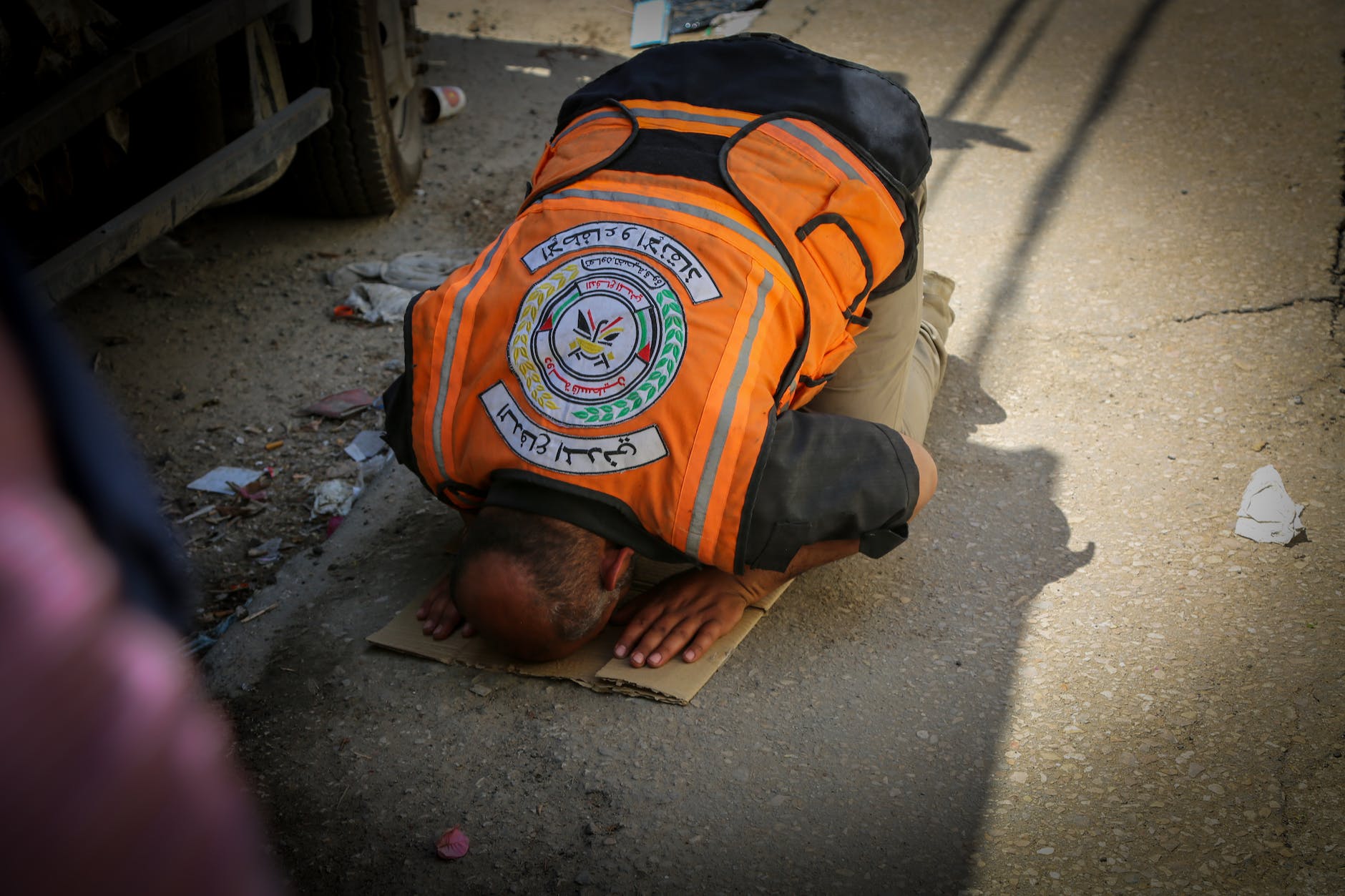
STOP the genocide in Gaza and Palestine! The 75+ year old land struggle in the Middle East is only getting worse. 10,000+ Palestinians killed. ICU units destroyed. Desperate mothers giving birth amidst chemical bombs. Newborns living no longer than a few hours. Ailing and terminally ill patients deprived of medicine because hospitals no longer have supplies, some hospitals are no longer-many have been bombed to ruins.

Photo by Musa Zanoun on Pexels.com

Israeli forces have being murdering and bombing Gazans relentlessly for over a month. The apartheid state has been targetting homes, schools, hospital,shelters, Mosques, Churches, UN buildings, and every last person in the genocide cage that is Gaza. People, elders, men, women, children & babies are being collectively punished, bombed, starved, deprived, disconnected and destroyed. The occupying Zionist force has a clear intention: ethnic cleansing and genocide of Palestinians. The world’s largest open air prison turned catastrophic mass cemetary is on the brink of extinction, so long as the humane and just among us cease to speak up.

We cannot be complicit with the aggressors as they continue the butchery before our eyes. The criminals must be held to account and stopped.

This is 2023.

We haven’t forgotten Iraq- 1 million killed unlawfully. Remember also Afghanistan, Syria, Libya, Yemen, Bosnia, Xinxang Uiyghurs, Burma Rohingyas and many more nations whose people were destroyed by occupying forces, with the help of blood-thirsty governments’ unlawful provision of homicidal weaponry.

So we say STOP. STOP IT NOW.

Stop the killing of innocents around the world. We as Muslims, of the Thurrock community, as British residents/citizens, as members of the global community, we reject, oppose and vehemently denounce the brutal genocide and terrorism inflicted by the apartheid Israeli regime upon our fellow human beings in Gaza and Palestine. We along with millions of conscious, peaceful citizens call for an immediate and permanent ceasefire in Gaza and Palestine, we demand peace and an end to the oppression, seige, apartheid, ethnic cleaning and displacement. Stop aiding war-hungry nations like the illegal apartheid Israeli state, stop selling them arms and weapons. Stop aiding terrorism. We taxpayers don’t want our money spent on murder, taking lives and destroying people.

We’ve seen enough horrorific imagery of bleeding, injured babies, now missing limbs and needing amputations. We’ve seen concrete-dusted infants with their heads blown off, lying lifeless in the hands of medics. We’re tired of seeing the pain, the panic, the trauma and destruction. We’ve seen groups of men desperately rescuing bodies trapped beneath rubble. We’ve seen mothers and fathers mouring over their precious children, newborns, infants and teenagers. We’ve seen traumatised children recounting their recent orphanhood as they stare blankly into the camera. We’ve seen paramedics bravely smiling and comforting rescued babies, whose names they don’t even know, breaking down in tears themselves from overwhelm with the gravity of the situation. We’ve seen journalists reduced to tears of frustration, fed up of the deliberate targetting of their people. We’ve seen lines of hungry and thirsty people , queing up with containers hoping they’ll get some water for the day, hoping they’ll get some food, facing death by either bombings or forced starvation. The utter chaos has to stop. Mercy must prevail.

If Britain was in the position of Gaza today, God forbid, surely we would not want the world to turn a blind eye to the suffering and calls for aid. Therefore, we cannot bare to witness the calculated decimation of innocent civilians, elders, men, women, children, babies and their homes and buildings. What happened to humanity? Is not life to be preserved?

Narrated Anas:

Allah’s Messenger (ﷺ) said, “Help your brother, whether he is an oppressor or he is an oppressed one. People asked, “O Allah’s Messenger (ﷺ)! It is all right to help him if he is oppressed, but how should we help him if he is an oppressor?” The Prophet (ﷺ) said, “By preventing him from oppressing others.”

(Sahih Hadith: Bukhari)

Enough is enough, we cannot turn a blind eye to oppression. Speak up and do the right thing, be honest and champion the rights of the oppressed. Be the voice for the weak. Be on the right side of history. Stop the violence. The world needs faith, peace, justice, love and harmony. Let’s not be of those who, for years to come, will wallow in guilty regret for enabling murder.

CEASEFIRE NOW. SAVE LIVES.

FREE PALESTINE, FREE GAZA. FREE THE OPPRESSED.

WORLD PEACE, JUSTICE AND HARMONY. InshaAllah.

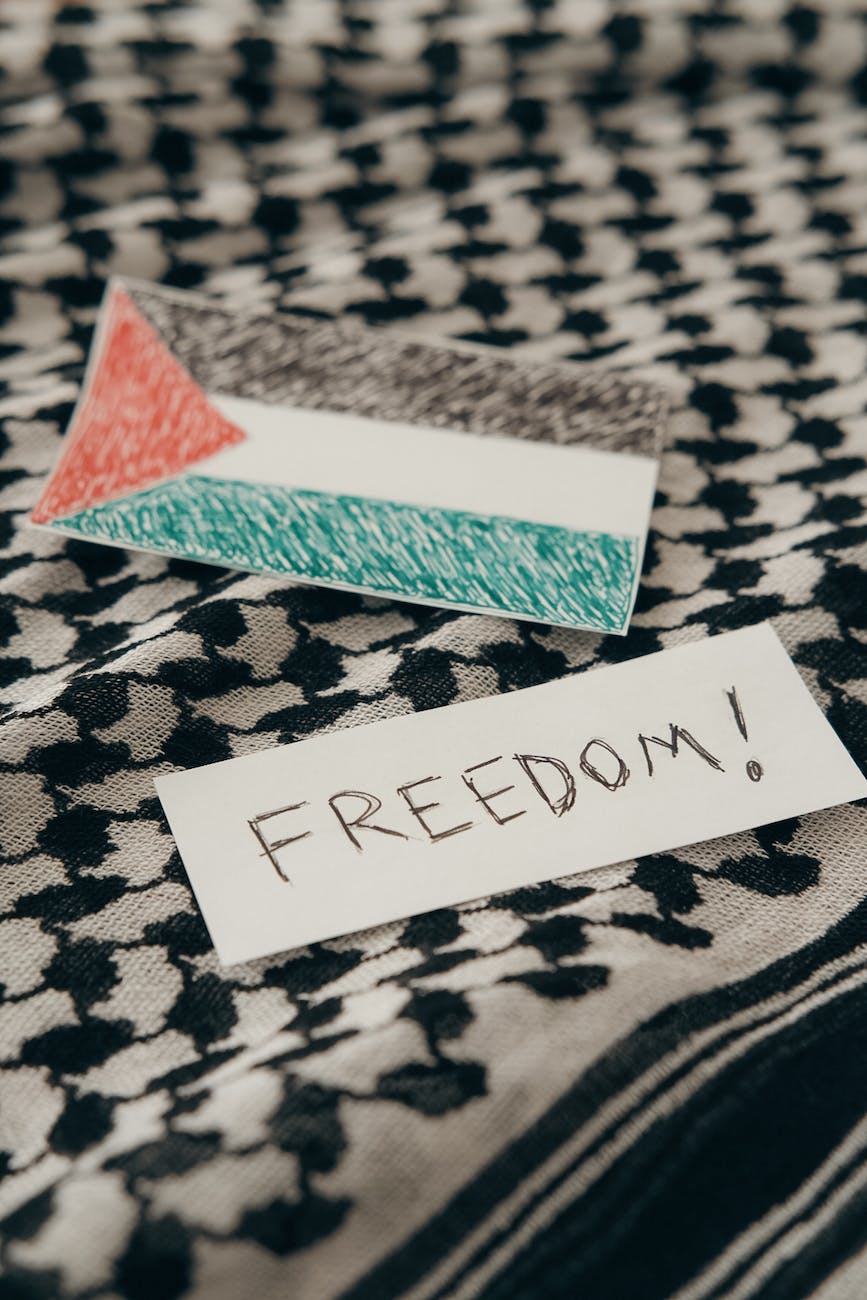
Photo by Beyzaa Yurtkuran on Pexels.com

Being persecuted on account of faith in Allah, is a pattern in history. Eradicating Muslim populations, will not eradicate Islam. Allah will preserve His religion. It is through submission to Allah that we will find true peace. May Allah protect Masjid-al-Aqsa, its inhabitants and all of us in the ummah. Wasallallahu ala nabiyina Muhammad. Amin

Thurrock Muslim Community.

ThurrockMuslims.com

About/disclaimer

Read more: STOP IT NOW!

Sources/further reading:

11000+ Gazans killed by Israeli regime

Gaza destruction is Israel’s goal

Colonial genocide of our time

We need compassion- OnlyForTheOne

Jordanian Queen on the root cause of the conflict

Double standards over global conflicts

Sacked and silenced for opposing violence

Jordanian Queen on Palestine and Israel

Can Turkey mediate with diplomacy, between the oppositions

Anti-zionist orthodox Jewish teen faces persecution for refusing to join the military.

Anti-zionism is wrongly conflated with anti-semitism to legitimise Israeli propaganda- Avi S

Tax-payers sue US president for funding war-monger Israel in recent Gaza onslaught

The Balfour declaration

Smeared for opposing war crimes

How Israeli lies and its true intentions

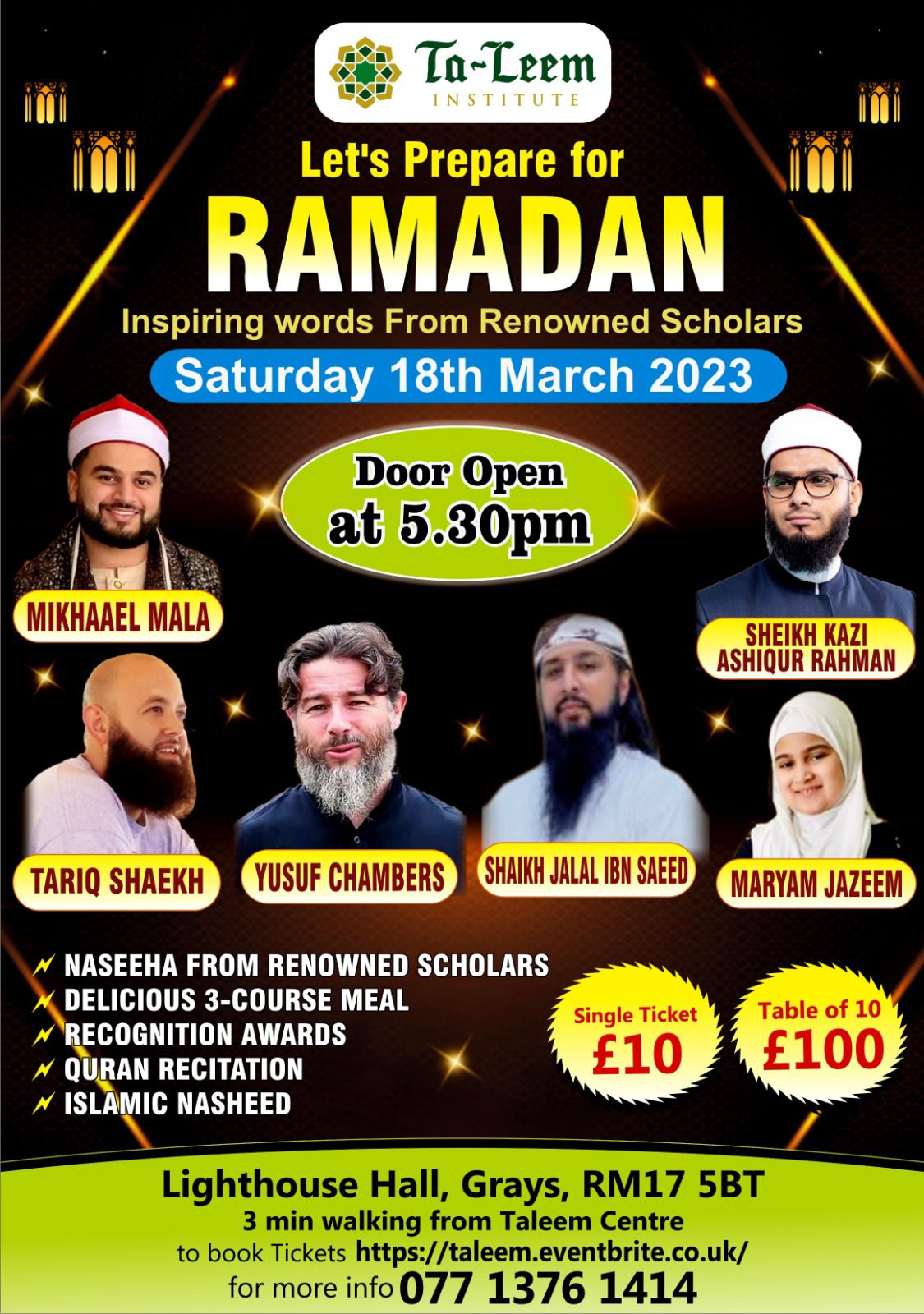
RAMADAN FAMILY DINNER EVENT 18 MARCH 2023 IN GRAYS/THURROCK/ESSEX- TALEEM FOUNDATION

RAMADAN FAMILY EVENT 18 MARCH 2023 IN GRAYS/THURROCK/ESSEX- TALEEM FOUNDATION

Don’t be deprived! Come along with family and friends.

(Contact organiseer, for tickets : https://www.eventbrite.co.uk/e/ramadan-family-dinner-event-tickets-543620853607 

Come and join a gathering where Allah is mentioned. Let’s win this Ramadan in sha Allah.

*RAMADAN FAMILY EVENT*

Taleem would like to invite you to a special family dinner Ramadan event. Join us for a beneficial convention exploring tips on how to prepare for Ramadan.

*Saturday 18th March 2023*

*Door Open 5.30 P.M*

Venue: *Lighthouse Hall, Grays, RM17 5BT*

*NASEEHA FROM RENOWNED SCHOLARS AND NASHEED*

– Yusuf Chambers

– Shaikh Saeed ibn Jalal

– Sheikh Ashiqur Rahman

– Mikhaael Mala

– Tariq Shaikh 

– Marayam Jazeem

* Delicious 3-Course Meal

* Sponsors Recognition Awards

* Islamic Nasheeds

To *book tickets* click here 

https://taleem.eventbrite.co.uk

Please *Share* the poster

Thurrock Muslim Community

Thurrockmuslims.com

About/disclaimer

Read more: RAMADAN FAMILY DINNER EVENT 18 MARCH 2023 IN GRAYS/THURROCK/ESSEX- TALEEM FOUNDATION

Supported by Travel Link, ATOL and IATA accredited professional travel services, flights, holidays and umrah.

GET READY FOR RAMADAN! Thurrock Muslims -Ramadan preparatory reminders- Fiqh of fasting


GET READY FOR RAMADAN 1444AH

Ramadaan preparatory reminders- Fiqh of fasting


Share this vital information with others! https://wp.me/p4GU3D-Cz

Let’s get ready for Ramadan in obedience to our Most Merciful Rabb, Allah!

person holding blue ceramic teapot pouring tea on clear drinking glass
Photo by Tima Miroshnichenko

It is hoped this will inform us of the primary reasons we fast, what is required of us and what to hope for.

May Allah, The Supreme Creator, permit us to fast for none but Him alone, may He reward us for our endeavours, and may He permit us to strive to avoid that which nullifies the fast, and strive to adhere to what maintains and perfects it, in accordance with the teachings of His final prophet peace be upon him.  Ameen.

DISCLAIMER: This is for educational purposes and serves as an introduction to the issues pertaining to fasting. Parents/guardians are advised to supervise the following read as some issues which pertain to married adults have been mentioned. Please consult a knowledgeable Islamic scholar (and trustworthy medical professional) for details, particularly for questions and advice related to individual circumstances. We are not scholars and thus cannot issue fatwa, however we endeavour relate to you the words of the scholars who have studied the authentic teachings of Islam from the Qur’an and the Sunnah of prophet Muhammad upon him be peace. And ultimately, Allah knows best.

blue squares banner

Fiqh of Fasting – Part 7  (adapted mainly from Sh. Yahya Adel Ibrahim with notes from others)

Summary of Siyam (Fasting) Essentials

What is the meaning of “Siyam?”

The word “siyam” comes from the root word “sowm,” which means “to abstain from.”

Did Muslims fast before 2 A.H.?

Yes, in fact the Prophet sala Allahu alihi wasSalaam and his companions (may Allah be pleased with them) used to fast on various days, including:

1. Day of Ashura (the exodus) when Allah delivered Musa sala Allahu alihi wasSalaam and the Muslims of that time from the evil of Pharaoh. The Prophet (upon him be peace) taught us to fast two days—either the day before or after plus the actual day of Ashura.

2. On the day of Arafat, if not making Hajj

3. The first 9 Days of dhul-Hijjah

4. Mondays & Thursdays through out the year

5. The middle three days of each lunar month (13th, 14th & 15th) when he moon is at its brightest

6. There are some proofs by way of Khadija (May Allah be pleased with her) who reports that the Prophet (peace be upon him) used to fast before the prophethood—but we do not know the exact days.

Why was Siyam ordered?

The answer to this question lies only with Allah. However, we can find that there are many benefits and bits of wisdom behind this pious and sincere act.

1. Increases one’s Taqwa (remembrance of Allah in daily affairs), as is stated in the Quran: Surah Baqara verse 183.

2. Trains the body, mind and spirit to bear hardships while remaining patient.

3. Trains the body, mind and spirit to hold back from the natural desires of the human: food, drink, anger, lust, etc.

4. To help one understand what the impoverished go though.

What is the importance of the month of Ramadan?

This is the month in which the gates of heaven are opened and the gates of hell are closed. This is the month where every dua’ reaches Allah. This is the month where the Muslims are protected from the evil whisperings of the shayateen. This is the month where one plants the seeds of worship, the seeds of taqwa in the earth and harvests the good deeds for sustenance throughout the year. And most importantly, this is the month in which the Quran was revealed—more specifically, on the night of Lailat-ul-Qadr.

Who must fast?

1. One who is Muslim
2. One who has Aql (mental faculties are sound and understands the responsibility of fasting)
3. One who has reached the age of puberty (signs include: growth of pubic hair or nocturnal emissions, emitting maniy, or reaching 15 years of age, occurrence of menses)
4. One who is Kaadir (able to maintain the fast)

What is the requirement for the fast?

Very simply, the fast begins with the niya (intention-this need not be verbal, rather intention resides in the heart)—this is a pre Requisite/ Shart—and then refraining from food, drink and things that break the fast, until the time for Maghrib has arrived.

It must be noted by the reader that one cannot just wake up in the morning and proclaim his fast for that day. This was only allowed for the Prophet sala Allahu alihi wasSalaam. Rather, for the followers, there needs to be mental recognition of the fast BEFORE FAJR in other than the month of Ramadan.

What breaks the fast?

1. Eating

2. Drinking

3. Sexual relations/intimate acts of any type that leads to male or female sexual discharge,

4. Haid (menstrual bleeding)

5. Nifas (post natal bleeding)

6. Intentional vomiting

7. Needles that give you nourishment

For further clarification on some issues:

a. Blood testing is okay

b. If one needs to take Insulin then that person cannot fast

c. Using the puffer for asthma patients is okay—the respiratory type only.

(in sha Allah, see more detailed article on things which nullify the fast)
What happens if a couple has intimate relations during the fast?

• If the couple have intercourse intentionally then they have to make up that day and they have to fast 60 days consecutively, or if unable feed 60 people or Kafarah

What is Kafarah?

This is given only as expiation for sexual infractions during the fast. There are three methods of expiation:

1. Freeing of a slave

2. Fast for 60 consecutive days. If one day is missed then you would start from the beginning again

3. If you are unable to fast, for a legitimate reason (sick, old,etc.) then you may feed 60 miskeen (poor) people. They have to be Muslim people and it can happen on one day as a feast. Also, one can just give the money to feed 60 people. This is considered a debt for that person and they should fulfil it before their death. If they do die then the relatives can either fast for them or feed the miskeen.

What about those that cannot fast, but are of age?

Of those who are excused from the fast are those who have a long-term sickness, the pregnant woman, the woman who is breast-feeding and the traveller. For the traveller, the fast is to be made up. But for the others, they are to pay the Fidya (please note, there is a scholarly difference of opinion regarding who can pay fidyah instead of making up fasts- please consult a scholar for your own case, see the links below). Fidya is to pay for a meal for one miskeen person for everyday that is missed. Like the Kafarah, one can arrange to give 30 days worth of money at one time, or arrange a feast for 30 miskeen people on one day.

PLEASE NOTE however, regarding pregnant and nursing mothers and sickness, please ask a highly knowledge Islamic scholar for individual cases. see this and this-is fidyah enough for pregnant women/sick people or not & should they make up the fast?) . Regarding pregnant and nursing mothers and sick people whose illness goes away and making up missed fasts, see these (who is exempt) and (how to make up fasts for ladies/mothers) and (how to make up missed fasts- sickness and all else)

Confused about your case? Contact a knowledgabe Mufti (try calling up on the Ask the Sheikh programmes on Eman Channel, or similar.)

The Sunnan of Fasting

1. The sahoor and iftaar should be done with the family. If the family is not available then one should make an effort to never break the fast alone.

2. To hurry up with breaking the iftaar—not to delay it. But the sahoor can be delayed right up until the time for Fajr enters.

3. To break the fast with dates, or at least 3 sips of water.

4. To make dua’ of breaking the fast. (“Dhahaba al-zamau’a, wa abtallat al-‘urooq wa thabata al-ajr insha Allah (Thirst has gone, the veins are moist, and the reward is assured, if Allaah wills).” see Arabic below )

break the fasting dua

5. To increase in acts of ibada (recitation of the Quran) and this should continue after the month of Ramadan has passed.

6. To give more sadaqa (charity).

7. To offer the tahajud prayers and the tarrawih prayers (in congregation).

8. To feed other Muslims, even if they are not needy—meaning to invite people to your house for the iftaar. In fact, when you invite people the host receives the reward that his guest earned on that day (while the guest retains his own reward). This is true even for the one who finances an iftaar, or one who prepares the food.

The Makrooh (hated things) of Fasting

1. To be excessive in rinsing with water, during wudu or other times. Having too much water in the mouth might cause a person to swallow some.

2. To unnecessarily taste food. There cannot be any swallowing and the tongue should be cleaned of any residual taste.

3. Kissing your spouse.

4. To sexually excite/touch your spouse.

5. To lie, to make ghiba (back biting), to do nameema (telling lies to cause two parties to fight). In fact, those who practice nameema do not enter paradise with the first set of Muslims.

6. To not pray the tarrawih or tahajjud in the last 10 days.

What are some the Voluntary Fasts that one may do?

1. The fast of the Prophet Dawood (peace be upon him) was mentioned by Prophet Muhammad (sallallahu alaihi wasallam) as the best. It includes one day of fasting and one day of resting, continuously.
2. The best months for fasting include: Sha’ban, Muharram, Ramadan,Dhul Hijja.
3. The 13th, 14th & 15th of every Islamic month. The reward of fasting these three days is like having fasted an entire year.
4. Mondays and Thursdays—for these are the two days that the angels rise and descend with your deeds; i.e. the gates of heaven are open.(This refers to Maghrib time)

5. The 9th day of Dhul Hijja (for the ones not performing the hajj).This is the day of Arafat and fasting on this day ensures that the minor sins for the previous year and the coming year are forgiven.

Allah knows best!

purple stripes banner

May Allah make this benefit us, and this advice is to us before it is to you our beloved readers.

May Allah allow us to succeed this Ramadan and may He forgive us for He is the Oft-Forgiving, The Forbearing! May Allah forgive us for any errors in this and grant us correctness. Wasallallahu alaa nabiyina Muhammad.Amin

ThurrockMuslims.com

Be generous, like, share and teach others for the sake of Allahhttps://wp.me/p4GU3D-Cz

support our work

Disclaimer:

Continue reading

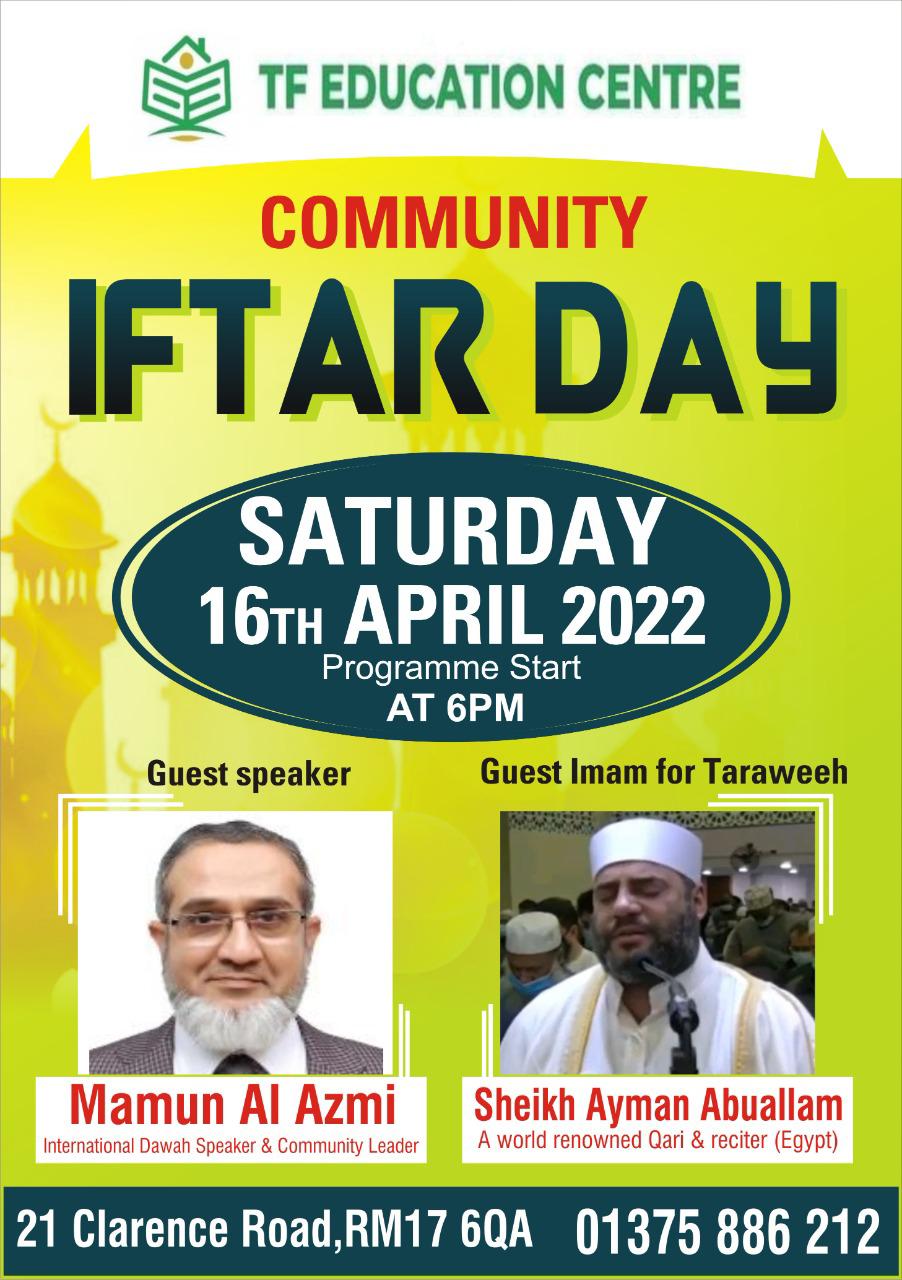
THURROCK MUSLIM COMMUNITY IFTAR BY TALEEM FOUNDATION- SAT 16 APR 2022- RAMADAN 1443

THURROCK MUSLIM COMMUNITY IFTAR BY TALEEM FOUNDATION- SAT 16 APR 2022- RAMADAN 1443

ALL INVITED!

MESSAGE FROM TF CENTRE

Assalamu’alaykum,
Taleem 1st Community iftari day is today, 16th April

Please come with your family inhsAllah. I will be really honoured

Time: Door opens 6.00pm
Islamic Talk/Lecture: 7.00pm
Delicious Iftar: Provided by Taleem community

Community Iftar day for brothers, sisters, children (Family = for all)

Bro AK Mizan
*Founder of Taleem *

Thurrockmuslims.com

About/disclaimer

GET READY FOR RAMADAN! Thurrock Muslims -Ramadan preparatory reminders- Fiqh of fasting


GET READY FOR RAMADAN 1443AH

Ramadaan preparatory reminders- Fiqh of fasting


Share this vital information with others! https://wp.me/p4GU3D-Cz

Let’s get ready for Ramadan in obedience to our Most Merciful Rabb, Allah!

It is hoped this will inform us of the primary reasons we fast, what is required of us and what to hope for.

May Allah, The Supreme Creator, permit us to fast for none but Him alone, may He reward us for our endeavours, and may He permit us to strive to avoid that which nullifies the fast, and strive to adhere to what maintains and perfects it, in accordance with the teachings of His final prophet peace be upon him.  Ameen.

DISCLAIMER: This is for educational purposes and serves as an introduction to the issues pertaining to fasting. Parents/guardians are advised to supervise the following read as some issues which pertain to married adults have been mentioned. Please consult a knowledgeable Islamic scholar (and trustworthy medical professional) for details, particularly for questions and advice related to individual circumstances. We are not scholars and thus cannot issue fatwa, however we endeavour relate to you the words of the scholars who have studied the authentic teachings of Islam from the Qur’an and the Sunnah of prophet Muhammad upon him be peace. And ultimately, Allah knows best.

blue squares banner

Fiqh of Fasting – Part 7  (adapted mainly from Sh. Yahya Adel Ibrahim with notes from others)

Summary of Siyam (Fasting) Essentials

What is the meaning of “Siyam?”

The word “siyam” comes from the root word “sowm,” which means “to abstain from.”

Did Muslims fast before 2 A.H.?

Yes, in fact the Prophet sala Allahu alihi wasSalaam and his companions (may Allah be pleased with them) used to fast on various days, including:

1. Day of Ashura (the exodus) when Allah delivered Musa sala Allahu alihi wasSalaam and the Muslims of that time from the evil of Pharaoh. The Prophet (upon him be peace) taught us to fast two days—either the day before or after plus the actual day of Ashura.

2. On the day of Arafat, if not making Hajj

3. The first 9 Days of dhul-Hijjah

4. Mondays & Thursdays through out the year

5. The middle three days of each lunar month (13th, 14th & 15th) when he moon is at its brightest

6. There are some proofs by way of Khadija (May Allah be pleased with her) who reports that the Prophet (peace be upon him) used to fast before the prophethood—but we do not know the exact days.

Why was Siyam ordered?

The answer to this question lies only with Allah. However, we can find that there are many benefits and bits of wisdom behind this pious and sincere act.

1. Increases one’s Taqwa (remembrance of Allah in daily affairs), as is stated in the Quran: Surah Baqara verse 183.

2. Trains the body, mind and spirit to bear hardships while remaining patient.

3. Trains the body, mind and spirit to hold back from the natural desires of the human: food, drink, anger, lust, etc.

4. To help one understand what the impoverished go though.

What is the importance of the month of Ramadan?

This is the month in which the gates of heaven are opened and the gates of hell are closed. This is the month where every dua’ reaches Allah. This is the month where the Muslims are protected from the evil whisperings of the shayateen. This is the month where one plants the seeds of worship, the seeds of taqwa in the earth and harvests the good deeds for sustenance throughout the year. And most importantly, this is the month in which the Quran was revealed—more specifically, on the night of Lailat-ul-Qadr.

Who must fast?

1. One who is Muslim
2. One who has Aql (mental faculties are sound and understands the responsibility of fasting)
3. One who has reached the age of puberty (signs include: growth of pubic hair or nocturnal emissions, emitting maniy, or reaching 15 years of age, occurrence of menses)
4. One who is Kaadir (able to maintain the fast)

What is the requirement for the fast?

Very simply, the fast begins with the niya (intention-this need not be verbal, rather intention resides in the heart)—this is a pre Requisite/ Shart—and then refraining from food, drink and things that break the fast, until the time for Maghrib has arrived.

It must be noted by the reader that one cannot just wake up in the morning and proclaim his fast for that day. This was only allowed for the Prophet sala Allahu alihi wasSalaam. Rather, for the followers, there needs to be mental recognition of the fast BEFORE FAJR in other than the month of Ramadan.

What breaks the fast?

1. Eating

2. Drinking

3. Sexual relations/intimate acts of any type that leads to male or female sexual discharge,

4. Haid (menstrual bleeding)

5. Nifas (post natal bleeding)

6. Intentional vomiting

7. Needles that give you nourishment

For further clarification on some issues:

a. Blood testing is okay

b. If one needs to take Insulin then that person cannot fast

c. Using the puffer for asthma patients is okay—the respiratory type only.

(in sha Allah, see more detailed article on things which nullify the fast)
What happens if a couple has intimate relations during the fast?

• If the couple have intercourse intentionally then they have to make up that day and they have to fast 60 days consecutively, or if unable feed 60 people or Kafarah

What is Kafarah?

This is given only as expiation for sexual infractions during the fast. There are three methods of expiation:

1. Freeing of a slave

2. Fast for 60 consecutive days. If one day is missed then you would start from the beginning again

3. If you are unable to fast, for a legitimate reason (sick, old,etc.) then you may feed 60 miskeen (poor) people. They have to be Muslim people and it can happen on one day as a feast. Also, one can just give the money to feed 60 people. This is considered a debt for that person and they should fulfil it before their death. If they do die then the relatives can either fast for them or feed the miskeen.

What about those that cannot fast, but are of age?

Of those who are excused from the fast are those who have a long-term sickness, the pregnant woman, the woman who is breast-feeding and the traveller. For the traveller, the fast is to be made up. But for the others, they are to pay the Fidya (please note, there is a scholarly difference of opinion regarding who can pay fidyah instead of making up fasts- please consult a scholar for your own case, see the links below). Fidya is to pay for a meal for one miskeen person for everyday that is missed. Like the Kafarah, one can arrange to give 30 days worth of money at one time, or arrange a feast for 30 miskeen people on one day.

PLEASE NOTE however, regarding pregnant and nursing mothers and sickness, please ask a highly knowledge Islamic scholar for individual cases. see this and this-is fidyah enough for pregnant women/sick people or not & should they make up the fast?) . Regarding pregnant and nursing mothers and sick people whose illness goes away and making up missed fasts, see these (who is exempt) and (how to make up fasts for ladies/mothers) and (how to make up missed fasts- sickness and all else)

Confused about your case? Contact a knowledgabe Mufti (try calling up on the Ask the Sheikh programmes on Eman Channel, or similar.)

The Sunnan of Fasting

1. The sahoor and iftaar should be done with the family. If the family is not available then one should make an effort to never break the fast alone.

2. To hurry up with breaking the iftaar—not to delay it. But the sahoor can be delayed right up until the time for Fajr enters.

3. To break the fast with dates, or at least 3 sips of water.

4. To make dua’ of breaking the fast. (“Dhahaba al-zamau’a, wa abtallat al-‘urooq wa thabata al-ajr insha Allah (Thirst has gone, the veins are moist, and the reward is assured, if Allaah wills).” see Arabic below )

break the fasting dua

5. To increase in acts of ibada (recitation of the Quran) and this should continue after the month of Ramadan has passed.

6. To give more sadaqa (charity).

7. To offer the tahajud prayers and the tarrawih prayers (in congregation).

8. To feed other Muslims, even if they are not needy—meaning to invite people to your house for the iftaar. In fact, when you invite people the host receives the reward that his guest earned on that day (while the guest retains his own reward). This is true even for the one who finances an iftaar, or one who prepares the food.

The Makrooh (hated things) of Fasting

1. To be excessive in rinsing with water, during wudu or other times. Having too much water in the mouth might cause a person to swallow some.

2. To unnecessarily taste food. There cannot be any swallowing and the tongue should be cleaned of any residual taste.

3. Kissing your spouse.

4. To sexually excite/touch your spouse.

5. To lie, to make ghiba (back biting), to do nameema (telling lies to cause two parties to fight). In fact, those who practice nameema do not enter paradise with the first set of Muslims.

6. To not pray the tarrawih or tahajjud in the last 10 days.

What are some the Voluntary Fasts that one may do?

1. The fast of the Prophet Dawood (peace be upon him) was mentioned by Prophet Muhammad (sallallahu alaihi wasallam) as the best. It includes one day of fasting and one day of resting, continuously.
2. The best months for fasting include: Sha’ban, Muharram, Ramadan,Dhul Hijja.
3. The 13th, 14th & 15th of every Islamic month. The reward of fasting these three days is like having fasted an entire year.
4. Mondays and Thursdays—for these are the two days that the angels rise and descend with your deeds; i.e. the gates of heaven are open.(This refers to Maghrib time)

5. The 9th day of Dhul Hijja (for the ones not performing the hajj).This is the day of Arafat and fasting on this day ensures that the minor sins for the previous year and the coming year are forgiven.

Allah knows best!

purple stripes banner

May Allah make this benefit us, and this advice is to us before it is to you our beloved readers.

May Allah allow us to succeed this Ramadan and may He forgive us for He is the Oft-Forgiving, The Forbearing! May Allah forgive us for any errors in this and grant us correctness. Wasallallahu alaa nabiyina Muhammad.Amin

ThurrockMuslims.com

Be generous, like, share and teach others for the sake of Allahhttps://wp.me/p4GU3D-Cz

support our work

Disclaimer:

Continue reading

GET READY FOR RAMADAN! Thurrock Muslims -Ramadan preparatory reminders- Fiqh of fasting


GET READY FOR RAMADAN 1442AH

Ramadaan preparatory reminders- Fiqh of fasting


Share this vital information with others! https://wp.me/p4GU3D-Cz

Let’s get ready for Ramadan in obedience to our Most Merciful Rabb, Allah!

It is hoped this will inform us of the primary reasons we fast, what is required of us and what to hope for.

May Allah, The Supreme Creator, permit us to fast for none but Him alone, may He reward us for our endeavours, and may He permit us to strive to avoid that which nullifies the fast, and strive to adhere to what maintains and perfects it, in accordance with the teachings of His final prophet peace be upon him.  Ameen.

DISCLAIMER: This is for educational purposes and serves as an introduction to the issues pertaining to fasting. Parents/guardians are advised to supervise the following read as some issues which pertain to married adults have been mentioned. Please consult a knowledgeable Islamic scholar (and trustworthy medical professional) for details, particularly for questions and advice related to individual circumstances. We are not scholars and thus cannot issue fatwa, however we endeavour relate to you the words of the scholars who have studied the authentic teachings of Islam from the Qur’an and the Sunnah of prophet Muhammad upon him be peace. And ultimately, Allah knows best.

blue squares banner

Fiqh of Fasting – Part 7  (adapted mainly from Sh. Yahya Adel Ibrahim with notes from others)

Summary of Siyam (Fasting) Essentials

What is the meaning of “Siyam?”

The word “siyam” comes from the root word “sowm,” which means “to abstain from.”

Did Muslims fast before 2 A.H.?

Yes, in fact the Prophet sala Allahu alihi wasSalaam and his companions (may Allah be pleased with them) used to fast on various days, including:

1. Day of Ashura (the exodus) when Allah delivered Musa sala Allahu alihi wasSalaam and the Muslims of that time from the evil of Pharaoh. The Prophet (upon him be peace) taught us to fast two days—either the day before or after plus the actual day of Ashura.

2. On the day of Arafat, if not making Hajj

3. The first 9 Days of dhul-Hijjah

4. Mondays & Thursdays through out the year

5. The middle three days of each lunar month (13th, 14th & 15th) when he moon is at its brightest

6. There are some proofs by way of Khadija (May Allah be pleased with her) who reports that the Prophet (peace be upon him) used to fast before the prophethood—but we do not know the exact days.

Why was Siyam ordered?

The answer to this question lies only with Allah. However, we can find that there are many benefits and bits of wisdom behind this pious and sincere act.

1. Increases one’s Taqwa (remembrance of Allah in daily affairs), as is stated in the Quran: Surah Baqara verse 183.

2. Trains the body, mind and spirit to bear hardships while remaining patient.

3. Trains the body, mind and spirit to hold back from the natural desires of the human: food, drink, anger, lust, etc.

4. To help one understand what the impoverished go though.

What is the importance of the month of Ramadan?

This is the month in which the gates of heaven are opened and the gates of hell are closed. This is the month where every dua’ reaches Allah. This is the month where the Muslims are protected from the evil whisperings of the shayateen. This is the month where one plants the seeds of worship, the seeds of taqwa in the earth and harvests the good deeds for sustenance throughout the year. And most importantly, this is the month in which the Quran was revealed—more specifically, on the night of Lailat-ul-Qadr.

Who must fast?

1. One who is Muslim
2. One who has Aql (mental faculties are sound and understands the responsibility of fasting)
3. One who has reached the age of puberty (signs include: growth of pubic hair or nocturnal emissions, emitting maniy, or reaching 15 years of age, occurrence of menses)
4. One who is Kaadir (able to maintain the fast)

What is the requirement for the fast?

Very simply, the fast begins with the niya (intention-this need not be verbal, rather intention resides in the heart)—this is a pre Requisite/ Shart—and then refraining from food, drink and things that break the fast, until the time for Maghrib has arrived.

It must be noted by the reader that one cannot just wake up in the morning and proclaim his fast for that day. This was only allowed for the Prophet sala Allahu alihi wasSalaam. Rather, for the followers, there needs to be mental recognition of the fast BEFORE FAJR in other than the month of Ramadan.

What breaks the fast?

1. Eating

2. Drinking

3. Sexual relations/intimate acts of any type that leads to male or female sexual discharge,

4. Haid (menstrual bleeding)

5. Nifas (post natal bleeding)

6. Intentional vomiting

7. Needles that give you nourishment

For further clarification on some issues:

a. Blood testing is okay

b. If one needs to take Insulin then that person cannot fast

c. Using the puffer for asthma patients is okay—the respiratory type only.

(in sha Allah, see more detailed article on things which nullify the fast)
What happens if a couple has intimate relations during the fast?

• If the couple have intercourse intentionally then they have to make up that day and they have to fast 60 days consecutively, or if unable feed 60 people or Kafarah

What is Kafarah?

This is given only as expiation for sexual infractions during the fast. There are three methods of expiation:

1. Freeing of a slave

2. Fast for 60 consecutive days. If one day is missed then you would start from the beginning again

3. If you are unable to fast, for a legitimate reason (sick, old,etc.) then you may feed 60 miskeen (poor) people. They have to be Muslim people and it can happen on one day as a feast. Also, one can just give the money to feed 60 people. This is considered a debt for that person and they should fulfil it before their death. If they do die then the relatives can either fast for them or feed the miskeen.

What about those that cannot fast, but are of age?

Of those who are excused from the fast are those who have a long-term sickness, the pregnant woman, the woman who is breast-feeding and the traveller. For the traveller, the fast is to be made up. But for the others, they are to pay the Fidya (please note, there is a scholarly difference of opinion regarding who can pay fidyah instead of making up fasts- please consult a scholar for your own case, see the links below). Fidya is to pay for a meal for one miskeen person for everyday that is missed. Like the Kafarah, one can arrange to give 30 days worth of money at one time, or arrange a feast for 30 miskeen people on one day.

PLEASE NOTE however, regarding pregnant and nursing mothers and sickness, please ask a highly knowledge Islamic scholar for individual cases. see this and this-is fidyah enough for pregnant women/sick people or not & should they make up the fast?) . Regarding pregnant and nursing mothers and sick people whose illness goes away and making up missed fasts, see these (who is exempt) and (how to make up fasts for ladies/mothers) and (how to make up missed fasts- sickness and all else)

Confused about your case? Contact a knowledgabe Mufti (try calling up on the Ask the Sheikh programmes on Eman Channel, or similar.)

The Sunnan of Fasting

1. The sahoor and iftaar should be done with the family. If the family is not available then one should make an effort to never break the fast alone.

2. To hurry up with breaking the iftaar—not to delay it. But the sahoor can be delayed right up until the time for Fajr enters.

3. To break the fast with dates, or at least 3 sips of water.

4. To make dua’ of breaking the fast. (“Dhahaba al-zamau’a, wa abtallat al-‘urooq wa thabata al-ajr insha Allah (Thirst has gone, the veins are moist, and the reward is assured, if Allaah wills).” see Arabic below )

break the fasting dua

5. To increase in acts of ibada (recitation of the Quran) and this should continue after the month of Ramadan has passed.

6. To give more sadaqa (charity).

7. To offer the tahajud prayers and the tarrawih prayers (in congregation).

8. To feed other Muslims, even if they are not needy—meaning to invite people to your house for the iftaar. In fact, when you invite people the host receives the reward that his guest earned on that day (while the guest retains his own reward). This is true even for the one who finances an iftaar, or one who prepares the food.

The Makrooh (hated things) of Fasting

1. To be excessive in rinsing with water, during wudu or other times. Having too much water in the mouth might cause a person to swallow some.

2. To unnecessarily taste food. There cannot be any swallowing and the tongue should be cleaned of any residual taste.

3. Kissing your spouse.

4. To sexually excite/touch your spouse.

5. To lie, to make ghiba (back biting), to do nameema (telling lies to cause two parties to fight). In fact, those who practice nameema do not enter paradise with the first set of Muslims.

6. To not pray the tarrawih or tahajjud in the last 10 days.

What are some the Voluntary Fasts that one may do?

1. The fast of the Prophet Dawood (peace be upon him) was mentioned by Prophet Muhammad (sallallahu alaihi wasallam) as the best. It includes one day of fasting and one day of resting, continuously.
2. The best months for fasting include: Sha’ban, Muharram, Ramadan,Dhul Hijja.
3. The 13th, 14th & 15th of every Islamic month. The reward of fasting these three days is like having fasted an entire year.
4. Mondays and Thursdays—for these are the two days that the angels rise and descend with your deeds; i.e. the gates of heaven are open.(This refers to Maghrib time)

5. The 9th day of Dhul Hijja (for the ones not performing the hajj).This is the day of Arafat and fasting on this day ensures that the minor sins for the previous year and the coming year are forgiven.

Allah knows best!

purple stripes banner

May Allah make this benefit us, and this advice is to us before it is to you our beloved readers.

May Allah allow us to succeed this Ramadan and may He forgive us for He is the Oft-Forgiving, The Forbearing! May Allah forgive us for any errors in this and grant us correctness. Wasallallahu alaa nabiyina Muhammad.Amin

ThurrockMuslims.com

Be generous, like, share and teach others for the sake of Allahhttps://wp.me/p4GU3D-Cz

support our work

Disclaimer:

Continue reading

Covid-19 Reflections- Selflessness

In the name of Allah, The Most Beneficent, The Most Merciful.

Assalaamu’ alaykum warahmatullahi wabarakatuhu Dear Community,

I’ve been thinking about how the Coronavirus pandemic can teach us many lessons about our faith and values. Our strengths, weaknesses and capabilities as humans.

As the crisis unfolded in a bid for survival we humans reacted in various ways, some panicked while others kept calm. Then came mass hysteria which resulted in a lot of panic buying. Stockpiling by some led to more panic by the rest, flocking to stores, shortages of shelf stock and hiking of prices by some retailers. A truly bizarre and thought provoking situation.

Thankfully most of us came to our senses and started considering our fellow population.

Allah The Most Merciful knows His creation better than we know ourselves. It is only natural we should be merciful to one another as reported in the Hadiths of Sahih Bukhari and Muslim:

Abu Hurairah (May Allah be pleased with him) reported: Messenger of Allah (ﷺ) said, “Allah has divided mercy into one hundred parts; and He retained with Him ninety-nine parts, and sent down to earth one part. Through this one part creatures deal with one another with compassion, so much so that an animal lifts its hoof over its young lest it should hurt it”.

Sadly despite this calamity it has not brought out the best of humanity in certain shameless opportunists. Please be careful of manipulative scams and take care against thieves and con artists particularly online.

May Allah guide us and make us kind to our fellow humans. Ameen.

Now, it is time we asked ourselves how we reacted and if it was a good way to react. To remind ourselves to be faithful, that everything is in the Hands of Allah, namely life, death, gain and loss. Wealth and poverty can be tough tests of life. But Materialism, greed, selfishness can skew our perception of reality.

Allah warns us in Surah Al Humazah (Qur’an 104:3)

He thinks that His wealth will make him immortal..”

Inevitably we shall all return to Allah and we must pray to be taken in a state of imaan. We must remember that Allah is Ar-Razaq (The One Who Provides) as He tells us in Surah Adh-Dhaariyat (Qur’an, 51:58):

 Verily, Allah is the All-provider, Owner of Power, the Most Strong.

Allah is free of need and the Only One that can save us.

Humanity needs one another, a totally self-centred mentality is actually quite self-defeating. Mankind heavily depends on social and physical interactions to stay sane. Having said this, there are boundaries and limits Allah has set out for us to which we must respect in order to thrive. This social distancing is quite refreshing at a time when personal space boundaries have been eroded to near extinction!

Here are some of the small kindnesses that we can do to help others:

> giving within your means

> giving with an open heart

> shopping responsibly (it has been a while since the shopping frenzies and congrats to the supermarkets for responding well to encourage consideration).

> wash hands and maintain personal hygiene (high time a large portion of us should be washing hands after basic human functions)

>share, volunteer, help the elderly/pregnant women/vulnerable groups of people. (Cook food or do groceries, give positive comforting advice.)

>If you have children get them involved as part of their home-schooling to teach them good Islamic character and looking after neighbours… someone’s got to break the ice no?

>heed government advice as much as possible. Stay safe, stay at home. Isolate if needed.

Life under lockdown as restrictive as it can be, is proving necessary to protect the NHS and the population. Many people can be asymptomatic so it is crucial to keep your distance and limit contact to protect the vulnerable such as the elderly, pre/postnatal women, mothers with young children and those with weakened immune systems . In fact everyone should be cautious as we have seen even the healthy and all age groups are susceptible.

Muhammad Rasool Allah (peace be upon him) set us the best example. Let us follow and treat this minor hardship with patience, seeking reward from Allah. Let us maintain social distance to protect others without differentiating their background. Remember Surah Al Maaida (Qur’an 5:32):

“And if anyone saved a life, it would be as if he saved the life of all mankind.

Now it’s time to look at myself and see where I am on this scale of selflessness and how to improve, maybe its time for you to evaluate yourself too.

Take care and please share the word.

Thurrock Muslims.

Covid-19 Reflections- Forgiveness

In the name of Allah, The Most Beneficent, The Most Merciful.

Assalaamu’ alaykum warahmatullahi wabarakatuhu Dear Community,

Recently mankind has been gripped by a global pandemic, the coronavirus Covid-19. As it stands thousands have been affected, thousands deceased and thousands are at risk.

As Muslims we understand that Allah created life with a purpose (for us to worship only Him) and we shall eventually return to Him. Therefore it is incumbent upon us to assess and amend our current ways from one of heedlessness, disobedience and unaccountability to one of virtue, honesty and sincerity.

Allah The Almighty tells us in the Qur’an chapter 67 (Surah Al- Mulk) verse1-2:

“Blessed be He in Whose Hand is the dominion; and He is Able to do all things.

Who has created death and life that He may test you which of you is best in deed. And He is the All-Mighty, the Oft-Forgiving..”

Allah Glory be to Him is All Knowing and has power over everything. He knows what has, does and will happen and why.

Here is our wake up call. A blessing in disguise.

This is our chance to seek Allah’s forgiveness, follow His guidance and share the message of peace and submission to Allah. This is our chance for self-improvement, enjoining good and forbidding evil. We have long been complacent about the ill doings of society and often very much a part of it ourselves. It is time to leave ignorance and immorality behind and start living the way Allah wants us to.

Sincere repentance requires us to stop wrongdoing, to beg Allah’s pardon, do good and keep it going. We must purify our intention and do everything out of obedience to Allah.

Sadaqa averts calamity so give charity, particularly to our close community, relatives and especially to our displaced brothers and sisters of war torn poverty stricken lands. Now is the time to be the kind stranger and bring our nation together. We have a duty.

This is a reminder to myself more than anything and to share with the ummah in general for the sake of Allah, as Allah says in the Qur’an Chapter 51 Surah Adh-Dhariyat verse 55:

And remind, for indeed, the reminder benefits the believers.

We too are imperfect fellow human beings. So may Allah forgive us and please let us forgive each other for our shortcomings.

Praise be to Allah. We ask Allah to bless us with good, have mercy on us and guide us to the Straight Path. Ameen.

Stay safe.

Thurrock Muslims