
VIRTUES OF THE FIRST 10 DAYS DHUL HIJJAH! [SACRIFICE]

about/disclaimer

IN THE NAME OF ALLAH


VIRTUES OF THE FIRST 10 DAYS OF DHUL HIJJAH!  [SACRIFICE]


QURBANI/UDHIYAH- SACRIFICING AN ANIMAL IN OBEDIENCE TO ALLAH

Check out the previous post with some amazing tips on how to make the best of these 10 days

Best 10 days of the year

Want to know what udhiyah/Qurbani is? Read this:
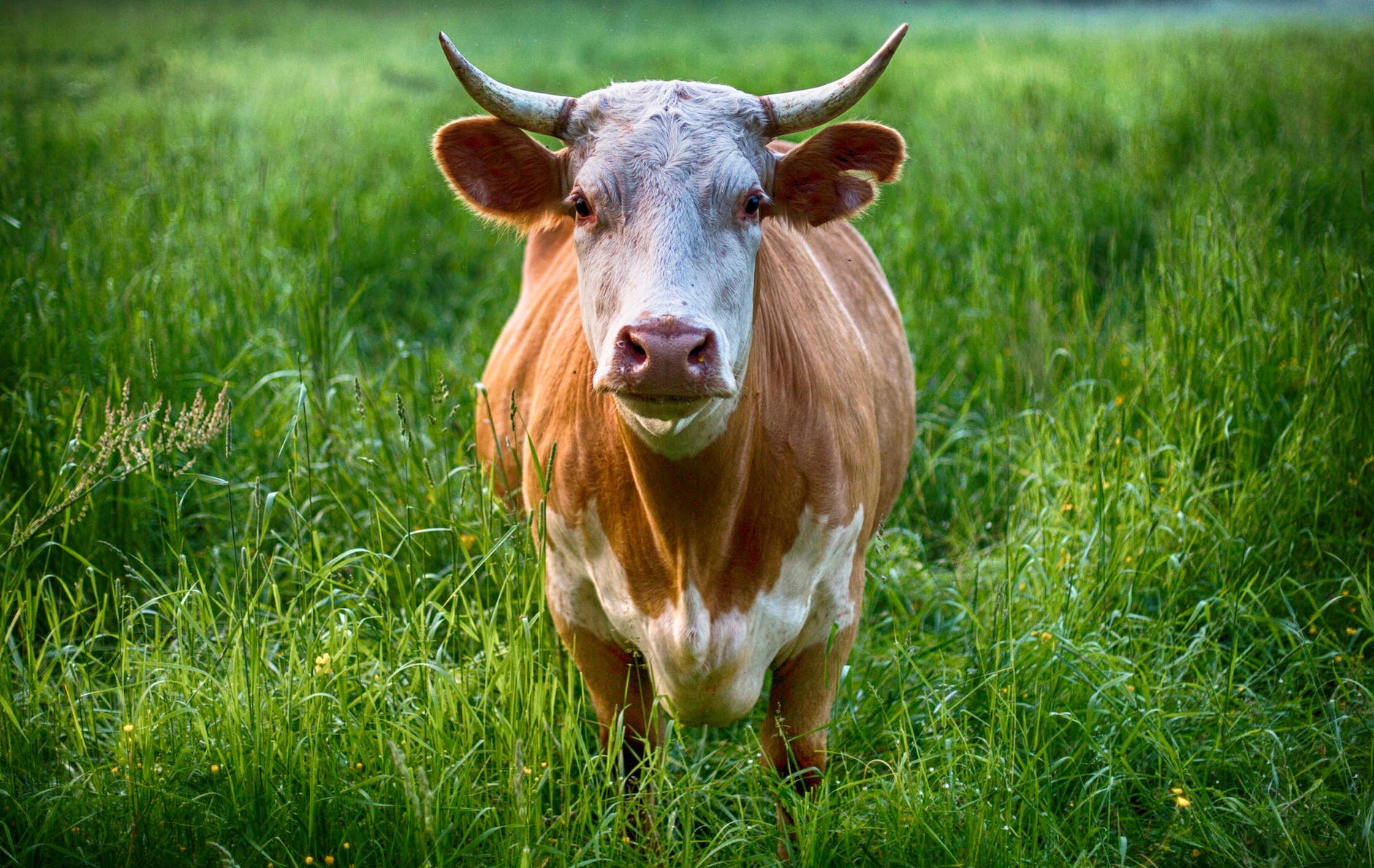
agriculture animal cattle close up
Photo by Pixabay Pexels.com

Definition of udhiyah and ruling thereon


What is meant by udhiyah (sacrifice)? Is it obligatory or Sunnah?.

Praise be to Allaah.
The word udhiyah means an animal of the ‘an’aam class (i.e., camel, cow, sheep or goat) that is slaughtered during the days of Eid al-Adha because of the Eid and as an act of worship, intending to draw closer to Allaah thereby.

This is one of the rituals of Islam prescribed in the Book of Allaah and the Sunnah of His Messenger (peace and blessings of Allaah be upon him), and according to the consensus of the Muslims.

In the Qur’aan:

1 – Allaah says (interpretation of the meaning):

“Therefore turn in prayer to your Lord and sacrifice (to Him only)”

[al-Kawthar 108:2]

2 – Allaah says (interpretation of the meaning):

“Say (O Muhammad): Verily, my Salaah (prayer), my sacrifice, my living, and my dying are for Allaah, the Lord of the ‘Aalameen (mankind, jinn and all that exists).

He has no partner. And of this I have been commanded, and I am the first of the Muslims”

[al-An’aam 6:162]

The word nusuk (translated here as sacrifice) means sacrifice; this is the view of Sa’eed ibn Jubayr. And it was said that it means all acts of worship, including sacrifice, which is more comprehensive.

3 – Allaah says (interpretation of the meaning):

“And for every nation We have appointed religious ceremonies, that they may mention the Name of Allaah over the beast of cattle that He has given them for food. And your Ilaah (God) is One Ilaah (God Allaah), so you must submit to Him Alone (in Islam). And (O Muhammad) give glad tidings to the Mukhbitoon [those who obey Allaah with humility and are humble from among the true believers of Islamic Monotheism]”

[al-Hajj 22:34]

In the Sunnah:

1 – It was narrated in Saheeh al-Bukhaari (5558) and Saheeh Muslim (1966) that Anas ibn Maalik (may Allaah be pleased with him) said: “The Prophet (peace and blessings of Allaah be upon him) sacrificed two white rams speckled with black. He slaughtered them with his own hand, said ‘Allaahu akbar’ and put his foot on their necks.”

2 – It was narrated that ‘Abd-Allaah ibn ‘Umar (may Allaah be pleased with him) said: “The Prophet (peace and blessings of Allaah be upon him) stayed in Madeenah for ten years, offering sacrifice (every year on Eid).” Narrated by Ahmad, 4935; al-Tirmidhi, 1507; classed as hasan by al-Albaani in Mishkaat al-Masaabeeh, 1475.

3 – It was narrated from ‘Uqbah ibn ‘Aamir (may Allaah be pleased with him) that the Prophet (peace and blessings of Allaah be upon him) shared out sacrificial animals amongst his companions, and ‘Uqbah got a sheep that was six months old. He said, “O Messenger of Allaah, I got a sheep that is six months old.” He said, “Offer it as a sacrifice.” Narrated by al-Bukhaari, 5547.

4 – It was narrated from al-Baraa’ ibn ‘Aazib (may Allaah be pleased with him) that the Prophet (peace and blessings of Allaah be upon him) said: “Whoever offers a sacrifice after the prayer has completed his rituals (of Eid) and has followed the way of the Muslims.” Narrated by al-Bukhaari, 5545.

The Prophet (peace and blessings of Allaah be upon him) offered sacrifices, as did his companions (may Allaah be pleased with them). And he said that sacrifice is the way of the Muslims.

Hence the Muslims are unanimously agreed that it is prescribed in Islam, as was narrated by more than one of the scholars.

But they differed as to whether it is Sunnah mu’akkadah (a confirmed Sunnah) or it is obligatory and it is not permissible to omit it.

The majority of scholars are of the view that it is Sunnah mu’akkadah. This is the view of al-Shaafa’i, Maalik and Ahmad according to his most well-known view.

Others were of the view that it is obligatory. This is the view of Abu Haneefah and one of the views narrated from Ahmad. This was also the view favoured by Ibn Taymiyah who said: “This is one of the views narrated in the madhhab of Maalik, or it appears to be the view of Maalik.”

From Risaalat Ahkaam al-Udhiyah wa’l-Dhakaah by Ibn ‘Uthaymeen (may Allaah have mercy on him).

Shaykh Muhammad ibn ‘Uthaymeen (may Allaah have mercy on him) said: “Udhiyah is Sunnah mu’akkadah for the one who is able to do it, so a person should offer the sacrifice on behalf of himself and the members of his household.”

Fataawa Ibn ‘Uthaymeen, 2/661.

REMINDER: 

If a person wants to offer an udhiyah, then it is haraam – according to the more correct view – for him to remove anything from his hair or nails until he offers his sacrifice, regardless of whether he offers his sacrifice at the beginning of the time for it, immediately after the Eid prayer, or at the end of the time, i.e., before sunset on the thirteenth of Dhu’l-Hijjah.

That is because of the report narrated by Muslim in his Saheeh (1977) from Umm Salamah (may Allah be pleased with her), who said: The Messenger of Allah (blessings and peace of Allah be upon him) said: “Whoever has an animal to sacrifice, when the new moon of Dhu’l-Hijjah appears, let him not remove anything from his hair or nails, until he has offered his sacrifice.”

https://islamqa.info/en/175381


May Allah enable us to draw near to Him with obligatory and voluntary acts of worship. Allahumma salli alaa Rasoolullah ameen.

Keep us in your duas !

Wasalam

Thurrock Muslims

THURROCKMUSLIMS.COM

share the good: http://wp.me/p4GU3D-n3

Continue reading

THE SACRED MONTHS-Dhul Qi’dah – The Hajj season

In the name of Allah.


THE SACRED MONTHS – Dhul Qi’dah 1446AH


Asalamu alaykum dear readers.

The sacred month of Dhul Qi’dah is due and  we would like to remind ourselves about the importance of the four sacred months in Islam. Dhul Qi’dah is the 11th month of the Islamic calendar. The sacred months are Rajab, Dhul Qid’ah, Dhul Hijjah and Muharram, the 7th, 11th, 12th and 1st month of the Islamic Hijri calander respectively. (see Surah Tawbah, Qur’an chapter 9 verse 36). We should also prepare for the Hajj season, and endeavour to perform our obligatory Hajj for the sake of Allah, as soon as we have the means/ability.

(We should be extra careful not to sin, all the time, but particularly in the sacred months, and avoid aggression)

May Allah forgive us, be merciful to us and guide us, for He is the Most Gracious the Most Merciful, The Ever-Relenting. May Allah guide and forgive us and enable us to witness and observe many Hajj and Umrah in His obedience, with sincerity and strength and excellence. May Allah unite us in jannat al firdaus. Allah bless His final messenger Muhammad ibn Abdillah in abundance. Amin

Thurrock Muslims

Dhul Qi’dah 1446

share https://wp.me/p4GU3D-yt

About us/Disclaimer 

VIRTUES OF THE FIRST 10 DAYS DHUL HIJJAH! [SACRIFICE]

about/disclaimer

IN THE NAME OF ALLAH


VIRTUES OF THE FIRST 10 DAYS OF DHUL HIJJAH!  [SACRIFICE]


QURBANI/UDHIYAH- SACRIFICING AN ANIMAL IN OBEDIENCE TO ALLAH

Check out the previous post with some amazing tips on how to make the best of these 10 days

Best 10 days of the year

Want to know what udhiyah/Qurbani is? Read this:

agriculture animal cattle close up
Photo by Pixabay Pexels.com

Definition of udhiyah and ruling thereon


What is meant by udhiyah (sacrifice)? Is it obligatory or Sunnah?.

Praise be to Allaah.
The word udhiyah means an animal of the ‘an’aam class (i.e., camel, cow, sheep or goat) that is slaughtered during the days of Eid al-Adha because of the Eid and as an act of worship, intending to draw closer to Allaah thereby.

This is one of the rituals of Islam prescribed in the Book of Allaah and the Sunnah of His Messenger (peace and blessings of Allaah be upon him), and according to the consensus of the Muslims.

In the Qur’aan:

1 – Allaah says (interpretation of the meaning):

“Therefore turn in prayer to your Lord and sacrifice (to Him only)”

[al-Kawthar 108:2]

2 – Allaah says (interpretation of the meaning):

“Say (O Muhammad): Verily, my Salaah (prayer), my sacrifice, my living, and my dying are for Allaah, the Lord of the ‘Aalameen (mankind, jinn and all that exists).

He has no partner. And of this I have been commanded, and I am the first of the Muslims”

[al-An’aam 6:162]

The word nusuk (translated here as sacrifice) means sacrifice; this is the view of Sa’eed ibn Jubayr. And it was said that it means all acts of worship, including sacrifice, which is more comprehensive.

3 – Allaah says (interpretation of the meaning):

“And for every nation We have appointed religious ceremonies, that they may mention the Name of Allaah over the beast of cattle that He has given them for food. And your Ilaah (God) is One Ilaah (God Allaah), so you must submit to Him Alone (in Islam). And (O Muhammad) give glad tidings to the Mukhbitoon [those who obey Allaah with humility and are humble from among the true believers of Islamic Monotheism]”

[al-Hajj 22:34]

In the Sunnah:

1 – It was narrated in Saheeh al-Bukhaari (5558) and Saheeh Muslim (1966) that Anas ibn Maalik (may Allaah be pleased with him) said: “The Prophet (peace and blessings of Allaah be upon him) sacrificed two white rams speckled with black. He slaughtered them with his own hand, said ‘Allaahu akbar’ and put his foot on their necks.”

2 – It was narrated that ‘Abd-Allaah ibn ‘Umar (may Allaah be pleased with him) said: “The Prophet (peace and blessings of Allaah be upon him) stayed in Madeenah for ten years, offering sacrifice (every year on Eid).” Narrated by Ahmad, 4935; al-Tirmidhi, 1507; classed as hasan by al-Albaani in Mishkaat al-Masaabeeh, 1475.

3 – It was narrated from ‘Uqbah ibn ‘Aamir (may Allaah be pleased with him) that the Prophet (peace and blessings of Allaah be upon him) shared out sacrificial animals amongst his companions, and ‘Uqbah got a sheep that was six months old. He said, “O Messenger of Allaah, I got a sheep that is six months old.” He said, “Offer it as a sacrifice.” Narrated by al-Bukhaari, 5547.

4 – It was narrated from al-Baraa’ ibn ‘Aazib (may Allaah be pleased with him) that the Prophet (peace and blessings of Allaah be upon him) said: “Whoever offers a sacrifice after the prayer has completed his rituals (of Eid) and has followed the way of the Muslims.” Narrated by al-Bukhaari, 5545.

The Prophet (peace and blessings of Allaah be upon him) offered sacrifices, as did his companions (may Allaah be pleased with them). And he said that sacrifice is the way of the Muslims.

Hence the Muslims are unanimously agreed that it is prescribed in Islam, as was narrated by more than one of the scholars.

But they differed as to whether it is Sunnah mu’akkadah (a confirmed Sunnah) or it is obligatory and it is not permissible to omit it.

The majority of scholars are of the view that it is Sunnah mu’akkadah. This is the view of al-Shaafa’i, Maalik and Ahmad according to his most well-known view.

Others were of the view that it is obligatory. This is the view of Abu Haneefah and one of the views narrated from Ahmad. This was also the view favoured by Ibn Taymiyah who said: “This is one of the views narrated in the madhhab of Maalik, or it appears to be the view of Maalik.”

From Risaalat Ahkaam al-Udhiyah wa’l-Dhakaah by Ibn ‘Uthaymeen (may Allaah have mercy on him).

Shaykh Muhammad ibn ‘Uthaymeen (may Allaah have mercy on him) said: “Udhiyah is Sunnah mu’akkadah for the one who is able to do it, so a person should offer the sacrifice on behalf of himself and the members of his household.”

Fataawa Ibn ‘Uthaymeen, 2/661.

REMINDER: 

If a person wants to offer an udhiyah, then it is haraam – according to the more correct view – for him to remove anything from his hair or nails until he offers his sacrifice, regardless of whether he offers his sacrifice at the beginning of the time for it, immediately after the Eid prayer, or at the end of the time, i.e., before sunset on the thirteenth of Dhu’l-Hijjah.

That is because of the report narrated by Muslim in his Saheeh (1977) from Umm Salamah (may Allah be pleased with her), who said: The Messenger of Allah (blessings and peace of Allah be upon him) said: “Whoever has an animal to sacrifice, when the new moon of Dhu’l-Hijjah appears, let him not remove anything from his hair or nails, until he has offered his sacrifice.”

https://islamqa.info/en/175381


May Allah enable us to draw near to Him with obligatory and voluntary acts of worship. Allahumma salli alaa Rasoolullah ameen.

Keep us in your duas !

Wasalam

Thurrock Muslims

THURROCKMUSLIMS.COM

share the good: http://wp.me/p4GU3D-n3

Continue reading

THE SACRED MONTHS-Dhul Qi’dah – The Hajj season

In the name of Allah.


THE SACRED MONTHS – Dhul Qi’dah 1445AH


Asalamu alaykum dear readers.

The sacred month of Dhul Qi’dah is due and  we would like to remind ourselves about the importance of the four sacred months in Islam. Dhul Qi’dah is the 11th month of the Islamic calendar. The sacred months are Rajab, Dhul Qid’ah, Dhul Hijjah and Muharram, the 7th, 11th, 12th and 1st month of the Islamic Hijri calander respectively. (see Surah Tawbah, Qur’an chapter 9 verse 36). We should also prepare for the Hajj season, and endeavour to perform our obligatory Hajj for the sake of Allah, as soon as we have the means/ability.

(We should be extra careful not to sin, all the time, but particularly in the sacred months, and avoid aggression)

May Allah forgive us, be merciful to us and guide us, for He is the Most Gracious the Most Merciful, The Ever-Relenting. May Allah guide and forgive us and enable us to witness and observe many Hajj and Umrah in His obedience, with sincerity and strength and excellence. May Allah unite us in jannat al firdaus. Allah bless His final messenger Muhammad ibn Abdillah in abundance. Amin

Thurrock Muslims

Dhul Qi’dah 1445

share https://wp.me/p4GU3D-yt

About us/Disclaimer 

VIRTUES OF THE FIRST 10 DAYS DHUL HIJJAH! [SACRIFICE]

about/disclaimer

IN THE NAME OF ALLAH


VIRTUES OF THE FIRST 10 DAYS OF DHUL HIJJAH!  [SACRIFICE]


QURBANI/UDHIYAH- SACRIFICING AN ANIMAL IN OBEDIENCE TO ALLAH

Check out the previous post with some amazing tips on how to make the best of these 10 days

Best 10 days of the year

Want to know what udhiyah/Qurbani is? Read this:

agriculture animal cattle close up
Photo by Pixabay Pexels.com

Definition of udhiyah and ruling thereon


What is meant by udhiyah (sacrifice)? Is it obligatory or Sunnah?.

Praise be to Allaah.
The word udhiyah means an animal of the ‘an’aam class (i.e., camel, cow, sheep or goat) that is slaughtered during the days of Eid al-Adha because of the Eid and as an act of worship, intending to draw closer to Allaah thereby.

This is one of the rituals of Islam prescribed in the Book of Allaah and the Sunnah of His Messenger (peace and blessings of Allaah be upon him), and according to the consensus of the Muslims.

In the Qur’aan:

1 – Allaah says (interpretation of the meaning):

“Therefore turn in prayer to your Lord and sacrifice (to Him only)”

[al-Kawthar 108:2]

2 – Allaah says (interpretation of the meaning):

“Say (O Muhammad): Verily, my Salaah (prayer), my sacrifice, my living, and my dying are for Allaah, the Lord of the ‘Aalameen (mankind, jinn and all that exists).

He has no partner. And of this I have been commanded, and I am the first of the Muslims”

[al-An’aam 6:162]

The word nusuk (translated here as sacrifice) means sacrifice; this is the view of Sa’eed ibn Jubayr. And it was said that it means all acts of worship, including sacrifice, which is more comprehensive.

3 – Allaah says (interpretation of the meaning):

“And for every nation We have appointed religious ceremonies, that they may mention the Name of Allaah over the beast of cattle that He has given them for food. And your Ilaah (God) is One Ilaah (God Allaah), so you must submit to Him Alone (in Islam). And (O Muhammad) give glad tidings to the Mukhbitoon [those who obey Allaah with humility and are humble from among the true believers of Islamic Monotheism]”

[al-Hajj 22:34]

In the Sunnah:

1 – It was narrated in Saheeh al-Bukhaari (5558) and Saheeh Muslim (1966) that Anas ibn Maalik (may Allaah be pleased with him) said: “The Prophet (peace and blessings of Allaah be upon him) sacrificed two white rams speckled with black. He slaughtered them with his own hand, said ‘Allaahu akbar’ and put his foot on their necks.”

2 – It was narrated that ‘Abd-Allaah ibn ‘Umar (may Allaah be pleased with him) said: “The Prophet (peace and blessings of Allaah be upon him) stayed in Madeenah for ten years, offering sacrifice (every year on Eid).” Narrated by Ahmad, 4935; al-Tirmidhi, 1507; classed as hasan by al-Albaani in Mishkaat al-Masaabeeh, 1475.

3 – It was narrated from ‘Uqbah ibn ‘Aamir (may Allaah be pleased with him) that the Prophet (peace and blessings of Allaah be upon him) shared out sacrificial animals amongst his companions, and ‘Uqbah got a sheep that was six months old. He said, “O Messenger of Allaah, I got a sheep that is six months old.” He said, “Offer it as a sacrifice.” Narrated by al-Bukhaari, 5547.

4 – It was narrated from al-Baraa’ ibn ‘Aazib (may Allaah be pleased with him) that the Prophet (peace and blessings of Allaah be upon him) said: “Whoever offers a sacrifice after the prayer has completed his rituals (of Eid) and has followed the way of the Muslims.” Narrated by al-Bukhaari, 5545.

The Prophet (peace and blessings of Allaah be upon him) offered sacrifices, as did his companions (may Allaah be pleased with them). And he said that sacrifice is the way of the Muslims.

Hence the Muslims are unanimously agreed that it is prescribed in Islam, as was narrated by more than one of the scholars.

But they differed as to whether it is Sunnah mu’akkadah (a confirmed Sunnah) or it is obligatory and it is not permissible to omit it.

The majority of scholars are of the view that it is Sunnah mu’akkadah. This is the view of al-Shaafa’i, Maalik and Ahmad according to his most well-known view.

Others were of the view that it is obligatory. This is the view of Abu Haneefah and one of the views narrated from Ahmad. This was also the view favoured by Ibn Taymiyah who said: “This is one of the views narrated in the madhhab of Maalik, or it appears to be the view of Maalik.”

From Risaalat Ahkaam al-Udhiyah wa’l-Dhakaah by Ibn ‘Uthaymeen (may Allaah have mercy on him).

Shaykh Muhammad ibn ‘Uthaymeen (may Allaah have mercy on him) said: “Udhiyah is Sunnah mu’akkadah for the one who is able to do it, so a person should offer the sacrifice on behalf of himself and the members of his household.”

Fataawa Ibn ‘Uthaymeen, 2/661.

REMINDER: 

If a person wants to offer an udhiyah, then it is haraam – according to the more correct view – for him to remove anything from his hair or nails until he offers his sacrifice, regardless of whether he offers his sacrifice at the beginning of the time for it, immediately after the Eid prayer, or at the end of the time, i.e., before sunset on the thirteenth of Dhu’l-Hijjah.

That is because of the report narrated by Muslim in his Saheeh (1977) from Umm Salamah (may Allah be pleased with her), who said: The Messenger of Allah (blessings and peace of Allah be upon him) said: “Whoever has an animal to sacrifice, when the new moon of Dhu’l-Hijjah appears, let him not remove anything from his hair or nails, until he has offered his sacrifice.”

https://islamqa.info/en/175381


May Allah enable us to draw near to Him with obligatory and voluntary acts of worship. Allahumma salli alaa Rasoolullah ameen.

Keep us in your duas !

Wasalam

Thurrock Muslims

THURROCKMUSLIMS.COM

share the good: http://wp.me/p4GU3D-n3

Continue reading

THE SACRED MONTHS-Dhul Qi’dah – The Hajj season

In the name of Allah.


THE SACRED MONTHS – Dhul Qi’dah 1444AH


Asalamu alaykum dear readers.

The sacred month of Dhul Qi’dah is due and  we would like to remind ourselves about the importance of the four sacred months in Islam. Dhul Qi’dah is the 11th month of the Islamic calendar. The sacred months are Rajab, Dhul Qid’ah, Dhul Hijjah and Muharram, the 7th, 11th, 12th and 1st month of the Islamic Hijri calander respectively. (see Surah Tawbah, Qur’an chapter 9 verse 36). We should also prepare for the Hajj season, and endeavour to perform our obligatory Hajj for the sake of Allah, as soon as we have the means/ability.

(We should be extra careful not to sin, all the time, but particularly in the sacred months, and avoid aggression)

May Allah forgive us, be merciful to us and guide us, for He is the Most Gracious the Most Merciful, The Ever-Relenting. May Allah guide and forgive us and enable us to witness and observe many Hajj and Umrah in His obedience, with sincerity and strength and excellence. May Allah unite us in jannat al firdaus. Allah bless His final messenger Muhammad ibn Abdillah in abundance. Amin

Thurrock Muslims

Dhul Qi’dah 1444

share https://wp.me/p4GU3D-yt

About us/Disclaimer